Need Electricians in Austin? Find Trusted Pros Fast
Welcome to your local electrician directory in Austin, TX. Find trusted professionals in your area.
Map of Businesses in Austin
All Listings in Austin
18 businesses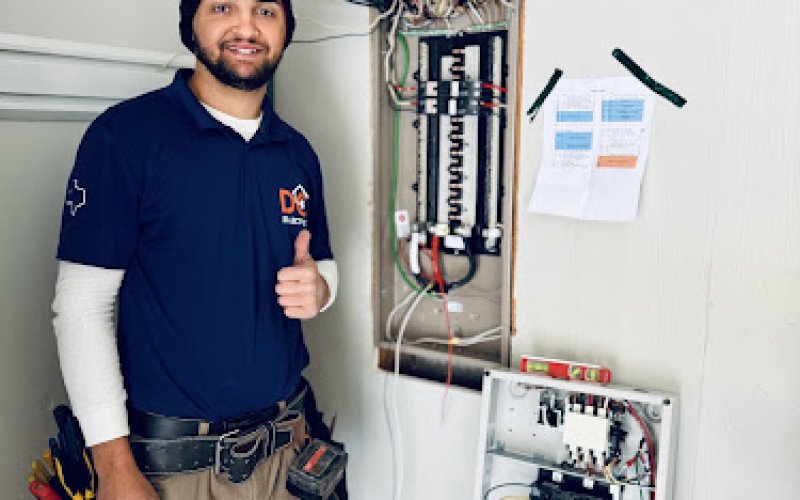
DC Electric
Electrician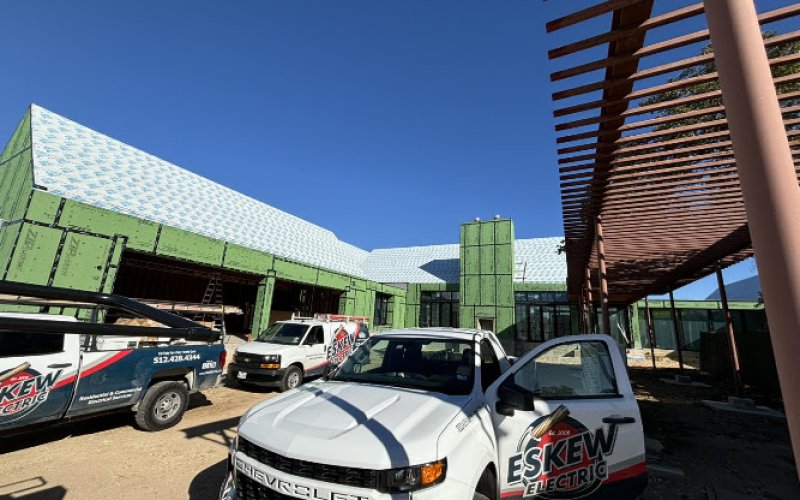
Eskew Electric - Austin, Texas Electrician
Electrician
Molitor Electric
Electrician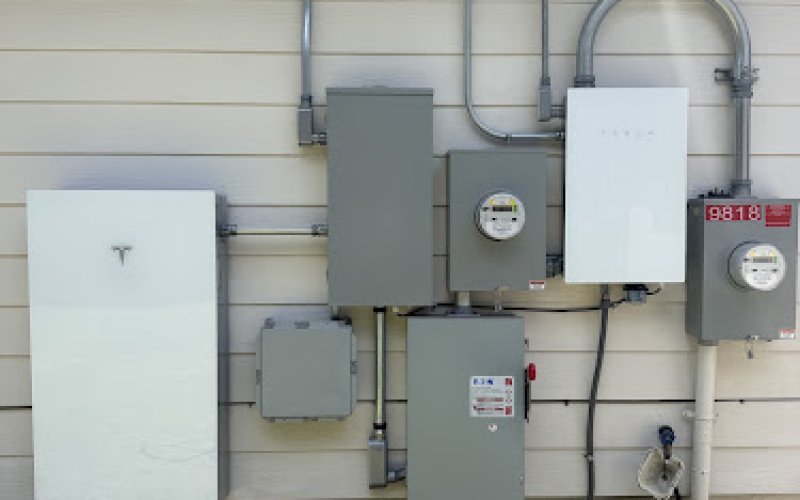
Shipley Electric, LLC.
Electrician
U.S. Electric Contractors
Electrician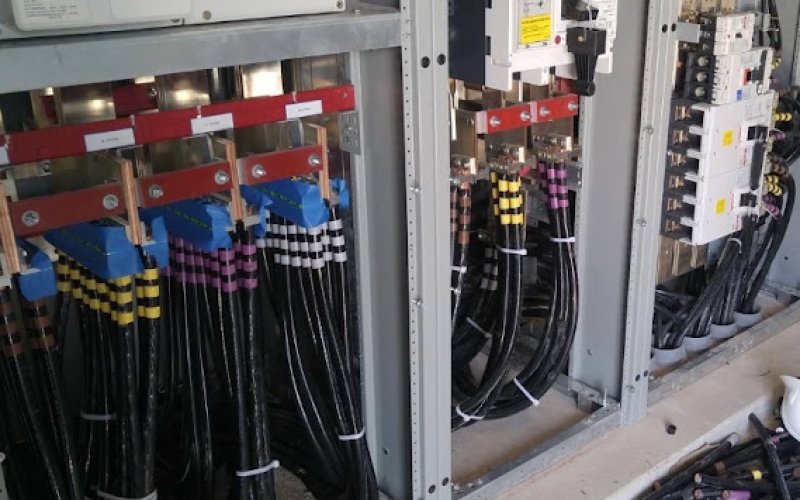
Brightside Electrical LLC
Electrician
Klock's Electric
Electrician
Malco Electric
Electrician
Mister Sparky® of Austin
Electrician
Terrapin Electric
Electrician
TruTec Electric
Electrician
Volthouse Electric
Electrician
Dial One Electrical Services
Electrician
Max electrical services
Electrician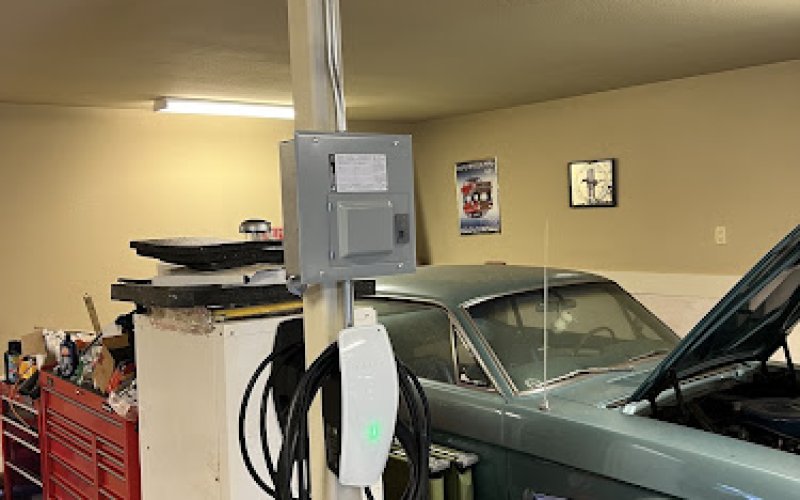
Grayzer Electric
Electrician
Mr. Electric of Austin
Electrician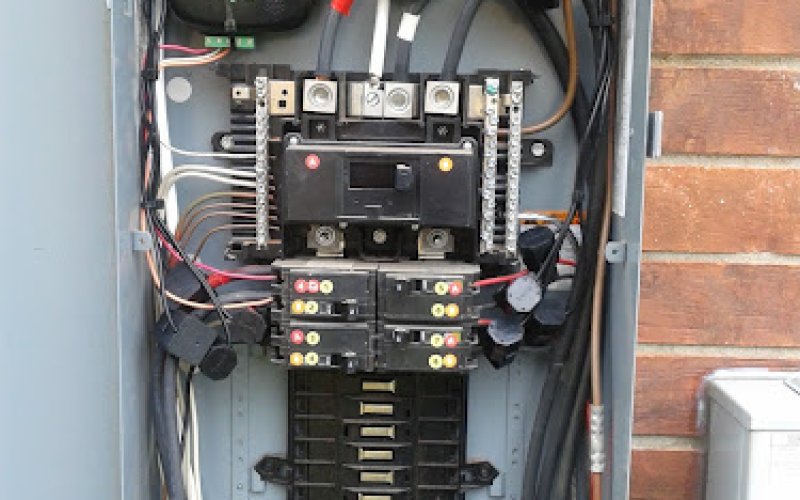
Duhon Electric
Electrician
Texas Electrical Services of Austin TECL29127
ElectricianAbout electrician in Austin
Here's a number that stopped me mid-coffee last month: the average wait time to get a licensed electrician out to your house in Austin right now is 8-12 days for non-emergency work. Back in 2019? Three to five days, tops. That gap tells you almost everything about what's happening in this market.
Austin's electrical services market has been reshaped by two things nobody's talking about enough—the data center boom in places like Pflugerville bleeding into the metro's labor pool, and the sheer volume of 1970s-1990s housing stock finally hitting the point where panels need replacing. Roughly 340 electrical contracting businesses operate in the greater Austin area according to TX licensing records, but here's the thing—maybe 40 of those are doing 80% of residential volume. The rest are one-truck operations, some great, some sketchy, most somewhere in between.
Demand's driven by three forces: population growth (Austin metro added roughly 2.5% more residents last year, per Census estimates), EV adoption pushing panel upgrade requests up noticeably, and—this one surprises people—the solar installation surge from 2021-2023 that's now generating a wave of service calls as those systems age into their first maintenance cycles. Median transaction for a standard residential call runs $285-$450. Panel upgrades or EV charger installs push that to $1,800-$3,500 easily. Your typical customer? Homeowner in a house built before 2000, often a newcomer who just bought and inherited someone else's deferred maintenance.
Zilker / South Lamar
- Area Profile: Older bungalows mixed with pricey renovations, median household income around $95K, lots of longtime residents next to newer high-earners who bought in over the past decade.
- electrician Activity: Panel upgrades dominate—these homes still have 60-100 amp service from the 1960s trying to run modern kitchens.
- Price Range: $1,200-$2,800 for panel work, $150-$300 for standard service calls.
- Local Note: Permitting through the City of Austin can add 2-3 weeks here because of historic overlay considerations in parts of Zilker.
Mueller
- Area Profile: Planned community, younger families, tech workers, mostly homes built 2007-present.
- electrician Activity: EV charger installations are through the roof here—I'd estimate one in four service calls in Mueller now involves Level 2 charger setup.
- Price Range: $650-$1,400 for EV charger install including permit.
- Local Note: HOA rules mean electricians here need to know Mueller's specific exterior equipment placement guidelines, which trips up out-of-area contractors constantly.
East Austin (Cesar Chavez to MLK corridor)
- Area Profile: Rapid gentrification zone—old shotgun houses next to new construction, wildly mixed income levels, still some longtime families holding on.
- electrician Activity: Full rewires. A lot of these houses never got proper electrical updates before flipping, so new owners discover knob-and-tube wiring behind drywall.
- Price Range: $4,500-$9,000 for full home rewires, which is the highest-ticket category in the metro.
- Local Note: Old-timers will tell you which streets still have the original 1940s wiring. Ask around at the corner stores—seriously, it works.
📊 Current Price Points:
- Budget options: $85-$150 service call (basic troubleshooting, outlet swaps)
- Mid-range: $300-$1,500 (panel repairs, fixture installs, small remodels)
- Premium: $3,000+ (full rewires, EV infrastructure, generator systems)
📈 Market Trends: Demand's up roughly 14% year-over-year, driven mostly by that EV and solar maintenance wave I mentioned. Supply of licensed electricians hasn't kept pace—TX licensing data shows apprentice enrollment growing slower than demand, so wait times are stretching. Pricing's climbed about 6-8% since last year, which tracks close to material cost inflation (copper's not getting cheaper, folks). Summer is brutal for demand—AC-related electrical failures spike hard June through August. Average time to complete a standard job runs 1-2 days; full rewires can stretch to 2-3 weeks depending on permitting.
💰 What People Are Spending:
- Panel upgrades — average $2,100
- EV charger installation — average $950
- Whole-home rewire — average $6,200
- Generator transfer switch — average $3,400
- Standard troubleshooting/repair — average $310
Economic Indicators: Austin metro's population grew about 2.5% last year—slower than the pandemic-era boom years but still outpacing most major US cities. Major employers like Tesla's Gigafactory, Apple's campus expansion, and the ever-growing tech sector keep new construction humming in Del Valle, Georgetown, and the northern suburbs. Median household income sits around $86,000, comfortably above the Texas state average of roughly $73,000.
Local Market Dynamics: New construction plus aging housing stock creates this weird dual demand—brand new subdivisions need EV and smart-home wiring while 1970s neighborhoods need emergency panel replacements. Competition's fragmented; no single company dominates more than maybe 8-10% of residential market share. A few names keep coming up in conversations at neighborhood coffee shops, but honestly reputation shifts fast here because reviews move the needle so much.
How This Affects Buyers/Customers: If you're in a new build in Leander, you're probably calling an electrician for upgrades, not emergencies. If you're in a 1960s Allandale home, you might be facing a forced panel replacement because your insurance company flagged the old Federal Pacific panel. I've seen both scenarios play out within the same week for the same contractor.
Austin Seasonal Patterns:
- ☀️ Spring/Summer: Peak demand, AC-related electrical failures surge, expect longer wait times and less room to negotiate.
- 🍂 Fall: Sweet spot—demand cools, contractors have room in their schedule, better pricing on non-emergency work.
- ❄️ Winter: Generator and backup power requests spike after any cold snap (Uri taught this city a hard lesson), otherwise slower season.
- 📅 Peak months: June-August act fast, expect premium pricing. October-November, you've got leverage to negotiate.
Timing Tips for Austin: Best deals typically show up in late October through early December, right before holiday budgets tighten. Inventory of available appointment slots peaks in fall since summer emergency work has died down. Winter storm anticipation (post-Uri, this is basically a local ritual now) causes a mini-surge in generator installs every November.
Smart Timing Tips:
- ✓ Book panel upgrades in fall—you'll get better pricing and faster scheduling
- ✓ Don't wait until summer to fix a flickering breaker—it's not going to fix itself and everyone else is calling in July too
- ✓ If you want an EV charger, order early—permitting backlogs get worse toward year-end
- ✓ Get on a maintenance contract before storm season if you're relying on a generator
Credentials to Verify: In Texas, electricians must hold a license through the Texas Department of Licensing and Regulation (TDLR). Ask for their TDLR license number and verify it directly on the state's website—takes two minutes. Membership in the Austin chapter of IEC (Independent Electrical Contractors) or NECA signals someone invested in the trade long-term, not just chasing quick jobs.
Questions to Ask: How many years operating specifically in Austin (not just Texas broadly)? Can they provide three local references from the last six months? Will they put pricing in writing before starting work?
⚠️ Red Flags Specific to Austin electrician:
- Door-knockers after storms offering "emergency discount" generator installs—this spiked hard after Uri and hasn't stopped
- Contractors quoting dramatically below market ($100 for a full panel inspection, for instance) then upselling aggressively once inside your house
- No permit pulled for panel work—Austin requires permits for this, and skipping it can void your homeowner's insurance
- Cash-only demands with no invoice or paperwork trail
Where to Check Complaints: TDLR's complaint database is public and searchable. BBB Austin chapter tracks patterns of complaints by business. On Google/Yelp, watch for reviews clustering around a specific complaint (like "never showed up" repeated three times)—that's more telling than a single bad review.
✓ Established presence in Austin (not just passing through)
✓ Verifiable local reviews and references
✓ Transparent pricing, no hidden fees
✓ Clear process explained upfront
✓ Responsive communication
Check Reviews & Ratings
We recommend verifying businesses through trusted review platforms before making a decision.
Frequently Asked Questions
Popular Categories in Austin
Explore Other Cities
⚡ Electricians near Austin
Professional Categories in Austin, TX
Related Services from Similar Professionals