Atlanta, GA's Top-Rated Electricians
Welcome to your local electrician directory in Atlanta, GA. Find trusted professionals in your area.
Map of Businesses in Atlanta
All Listings in Atlanta
9 businesses
McCall Enterprises
Electrician
The Electrician
Electrician
Aardvark Electric, Inc.
Electrician
Handy Electrician
Electrician
Mr. Electric of Atlanta
Electrician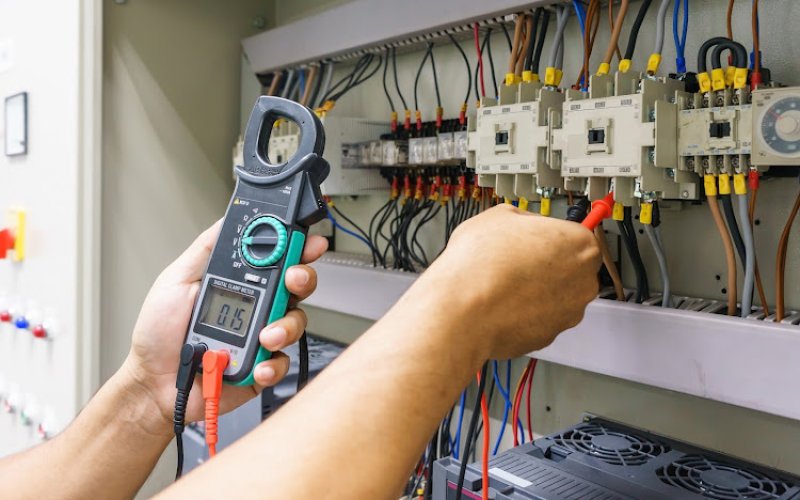
Pat Murphy Electric Inc.
Electrician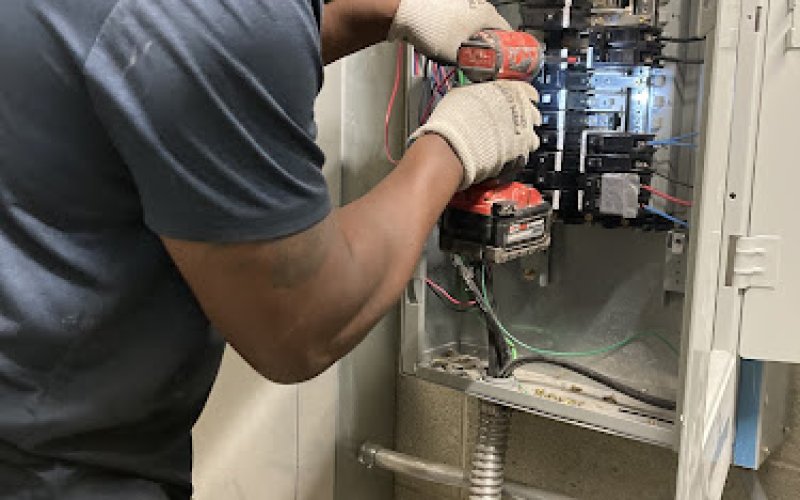
Yara Electric
Electrician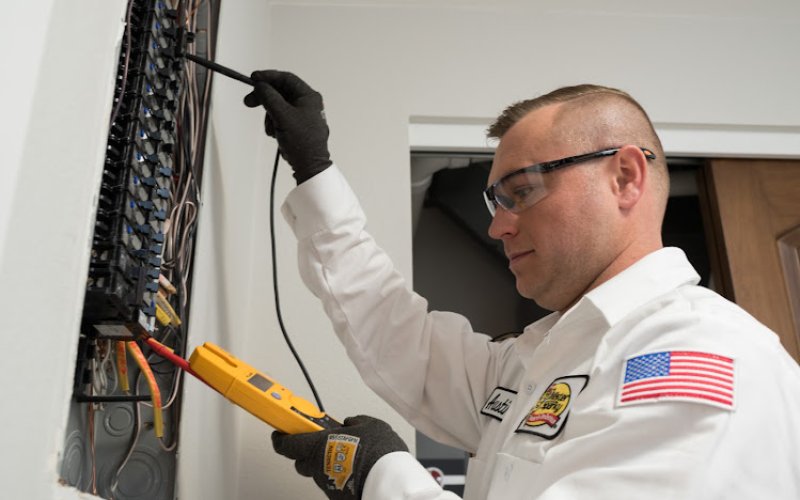
Mister Sparky of Atlanta
Electrician
Electrician Atlanta
ElectricianAbout electrician in Atlanta
Here's a number that should make you sit up: Atlanta electricians are booking out 3-4 weeks for non-emergency work right now, up from about 10 days back in 2022. That's not a supply chain joke—it's what happens when you combine a metro area adding roughly 60,000 people a year with a housing stock where a huge chunk of homes were wired before anyone had heard of a smart thermostat.
The math on this market is pretty wild once you dig into it. There are somewhere north of 400 licensed electrical contractors operating in the Atlanta metro, per Georgia State Licensing Board records, but the actual working pool—guys who show up, pull permits, do it right—is a lot smaller than that number suggests. Average service call runs $150-$250 just to walk in the door. Panel upgrades, which have become the hottest ticket item since EV adoption started climbing, average $2,800-$4,500 depending on whether you're in a 1940s bungalow in Grant Park or a newer build in Alpharetta.
Who's calling? It's a split. About 60% residential—old-timers in homes with knob-and-tube wiring that's older than their kids, and newcomers who bought a "charming" 1960s ranch in Kirkwood without realizing the electrical panel is a fire code violation waiting to happen. The other 40% is commercial and light industrial, driven by all the mixed-use development happening along the Beltline corridor and in West Midtown. Atlanta's different from, say, a Phoenix or a Charlotte because so much of the demand here is retrofit work, not new construction wiring. That changes everything about pricing and timeline.
Grant Park / Ormewood Park
- Area Profile: Historic bungalows and Victorians, median household income around $95K, heavy mix of long-time residents and young families who bought in the last 5 years.
- electrician Activity: Panel replacements and rewiring dominate. Knob-and-tube removal is basically a cottage industry here.
- Price Range: $3,500-$8,000 for full or partial rewires. Not cheap, but insurance companies are increasingly requiring it.
- Local Note: Historic district permitting adds 1-2 weeks to any job requiring exterior work—factor that into your timeline.
Buckhead
- Area Profile: High-income, median home value pushing $900K+, lots of renovation and luxury home builds.
- electrician Activity: Smart home integration, whole-home generator installs, EV charger setups—this is ground zero for the Tesla/Rivian charger boom.
- Price Range: EV charger installs run $800-$2,200; generator setups start around $6,000 and climb fast.
- Local Note: HOA approval processes here can slow projects down more than the actual electrical work does. I've seen permits take longer than the install.
West Midtown / Westside
- Area Profile: Former industrial zone turned mixed-use hotspot—think the old mills near Howell Mill Road converted to lofts and breweries.
- electrician Activity: Commercial buildouts, restaurant kitchen wiring, and industrial-to-residential conversion work.
- Price Range: Commercial buildouts vary wildly, $10K-$50K+ depending on square footage and equipment loads.
- Local Note: Older industrial wiring here means surprises are common. Budget 15-20% contingency—almost every contractor I've talked to says the same thing.
📊 Current Price Points:
- Budget options: $85-$150/hr for basic troubleshooting, outlet swaps, fixture replacement
- Mid-range: $2,500-$6,000 for panel upgrades, subpanel installs, whole-house surge protection (this is where most transactions land)
- Premium: $8,000+ for full home rewires, whole-home automation, or commercial-grade generator systems
📈 Market Trends:
Demand is up roughly 18% year-over-year according to regional contractor association data, driven almost entirely by EV charger installs and aging infrastructure replacement. Supply of licensed electricians hasn't kept pace—apprenticeship enrollment dropped during 2020-2021 and the industry's still catching up. Pricing has climbed about 9-11% since last year, mostly copper and material costs, not labor gouging (though I'll admit, some smaller outfits are absolutely padding invoices right now). Summer is peak season—AC-related electrical failures spike in July and August when Atlanta hits that brutal 95-degree stretch. Winter's actually the better time to negotiate, especially December, when nobody wants to think about their panel.
💰 What People Are Spending:
- Panel upgrades — average $3,400
- EV charger installation — average $1,600
- Rewiring older homes (partial) — average $5,800
- Generator installation — average $7,200
- Smart home/lighting automation — average $2,900
Economic Indicators: Metro Atlanta's population is growing around 1.4% annually—not explosive, but steady enough that housing turnover keeps electricians busy inspecting and upgrading systems buyers didn't know were problems. Major employers like Delta, Home Depot's corporate HQ, and the film/TV production boom (all those studios in the southside) keep the economy diversified. New development—Centennial Yards downtown, the continued Beltline buildout—means constant commercial electrical demand. Median household income sits around $71,000 for the metro, slightly above Georgia's statewide average of $65,000.
Local Market Dynamics: Demand here isn't just population growth—it's housing age. Something like 35% of Atlanta's housing stock predates 1980, and a good chunk of that hasn't been rewired since. No single company dominates; it's fragmented across those 400+ licensed contractors, with maybe a dozen larger outfits handling commercial work and the rest split between residential specialists and one-truck operations.
How This Affects Buyers/Customers: If you bought a house in East Atlanta Village built in 1948, don't be shocked when an inspector flags the panel. I've seen this play out dozens of times—buyers think they're getting a move-in-ready home, then discover $4,000 in mandatory electrical work before insurance will even write a policy.
Atlanta Seasonal Patterns:
- ☀️ Spring/Summer: Highest demand, longest wait times (3-5 weeks), AC-driven panel failures spike in June-August
- 🍂 Fall: Moderate demand, decent window for scheduling non-emergency work, October-November sees a lull
- ❄️ Winter: Slowest season overall, but holiday lighting and generator installs (storm prep) create small spikes
- 📅 Peak months: June-August you'll pay more and wait longer. December-January, contractors negotiate.
Timing Tips for Atlanta: Book panel upgrades in late winter before summer AC season hits. Ice storms (yes, Atlanta gets those, and they're chaos) in January/February create surge demand for generator installs—get ahead of it in the fall. Most straightforward jobs take 1-3 days once scheduled; permitted work adds 1-3 weeks depending on county.
Smart Timing Tips:
✓ Schedule panel work in Feb-March before summer rush hits
✓ Avoid calling in July unless it's an emergency—you'll pay premium rates
✓ Get generator quotes in September, before ice storm season creates panic-buying
✓ Ask about slow-season discounts—many contractors will negotiate in December
Credentials to Verify: Georgia requires electricians to be licensed through the Georgia State Construction Industry Licensing Board. Ask for their license number and verify it directly—don't just take their word for it. Membership in the Independent Electrical Contractors of Georgia or NECA (National Electrical Contractors Association) is a decent signal, though not mandatory. Check Google reviews, but weight the ones with photos and specifics over generic five-star fluff.
Questions to Ask: How long have they worked in Atlanta specifically (not just Georgia)? Can they give you two local references from the last six months? Will they put pricing in writing before starting?
⚠️ Red Flags Specific to Atlanta electrician:
- Door-knockers after storms offering "emergency" generator deals—this happens constantly after ice storms, and it's almost always a scam
- Quotes given without seeing the panel or job site in person
- No pull permits mentioned for panel work—unpermitted electrical work can tank a home sale later
- Cash-only payment demands with no invoice or paperwork
Where to Check Complaints: Georgia Secretary of State's licensing lookup, the Better Business Bureau (Atlanta chapter has a decent complaint database), and honestly—Nextdoor is more useful than people admit for this stuff. Neighbors talk.
✓ Established presence in Atlanta (not just passing through)
✓ Verifiable local reviews and references
✓ Transparent pricing, no hidden fees
✓ Clear process explained upfront
✓ Responsive communication
Check Reviews & Ratings
We recommend verifying businesses through trusted review platforms before making a decision.
Frequently Asked Questions
Popular Categories in Atlanta
Explore Other Cities
⚡ Electricians near Atlanta
Professional Categories in Atlanta, GA
Related Services from Similar Professionals