Denver Electrician | Fast, Licensed & Local Experts
Looking for a solid electrician in Denver? You're in the right place — we've rounded up local pros who know their way around a breaker box, so you can skip the guesswork and get straight to fixing what's broken.
Map of Businesses in Denver
All Listings in Denver
6 businesses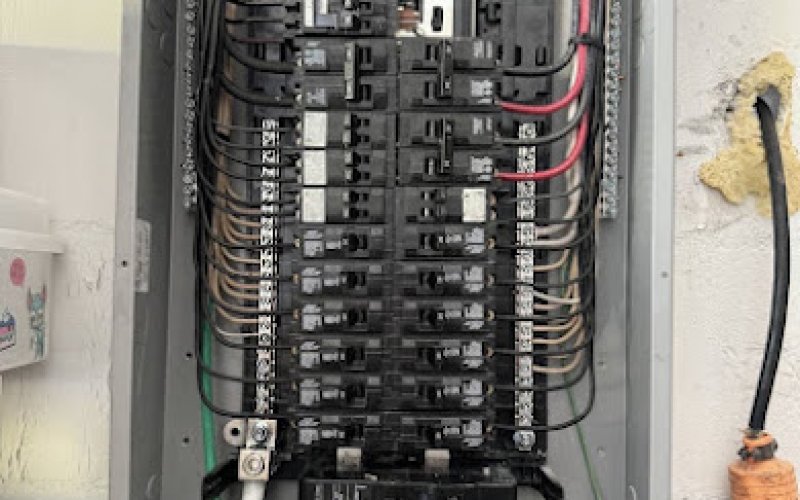
Denver Electricians
Electrician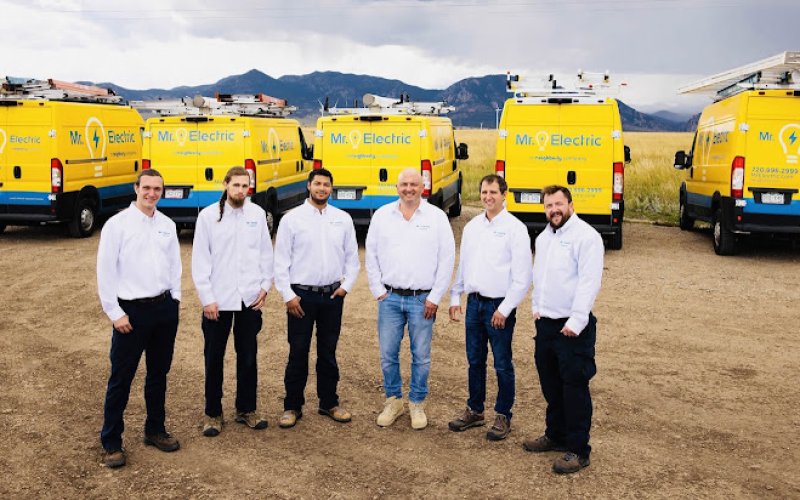
Mr. Electric
Electrician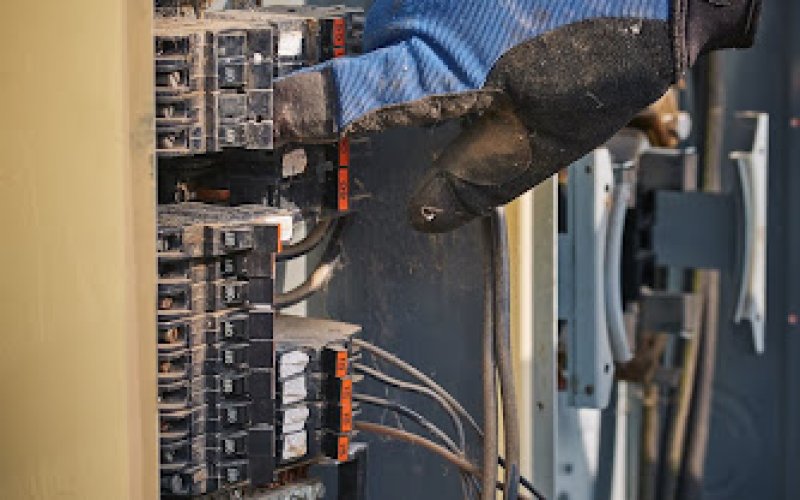
Absolute Plumbing, Electrical, Heating & Air
Electrician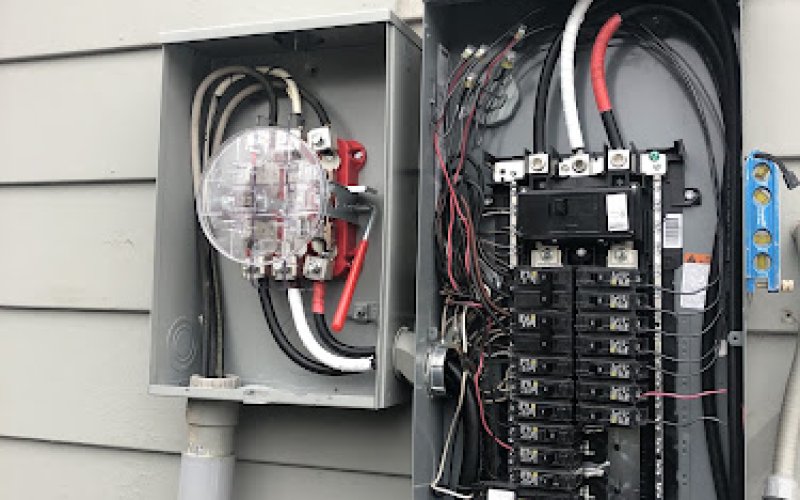
All Electric
Electrical installation serviceReliable, courteous, and knowledgeable electricians for residential work and new installations.
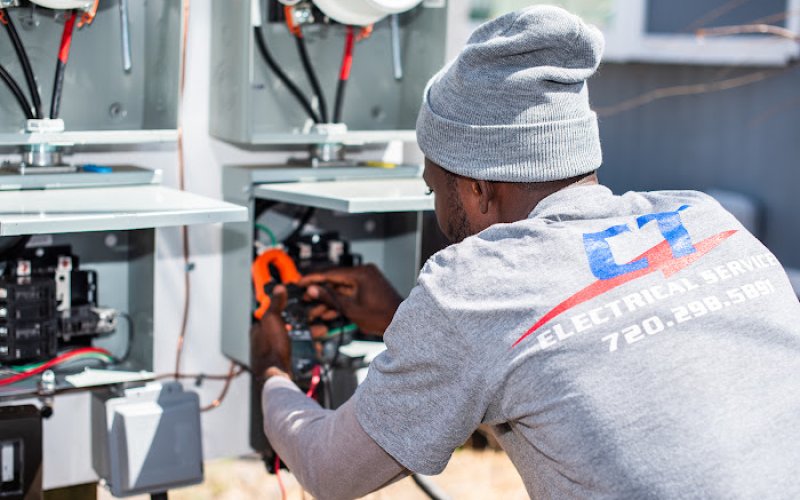
CT Electrical Services
ElectricianElectrical installation and repair services for residential and commercial clients.
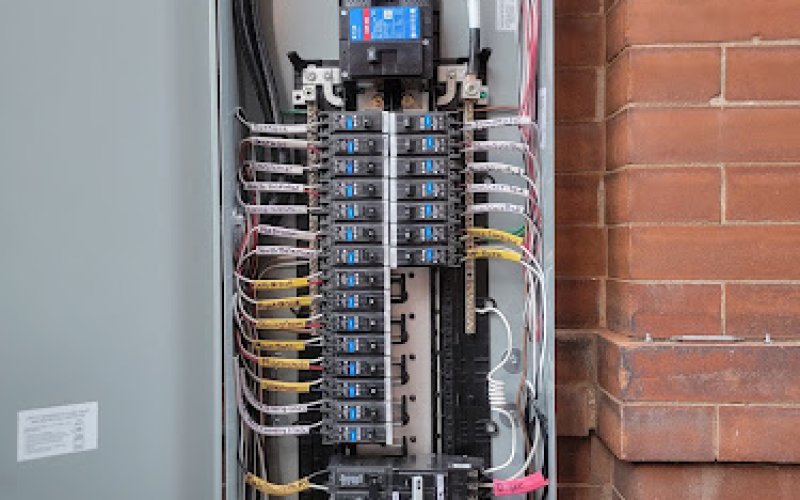
Williams and Sons Electric, LLC.
ElectricianLong-running, family-owned business offering electrical services to homeowners and contractors.
About Electrician in Denver
Panel upgrade requests in Denver jumped 34% between 2023 and 2025. That's not a typo—it's what happens when a city adds EV chargers, heat pumps, and hot tubs faster than its 1970s-era electrical infrastructure was ever built to handle. I've talked to guys who work out of Commerce City who say their panel-upgrade calls have basically doubled since 2022. So yeah, something's shifting here. The Denver electrician market right now is a mix of old-guard shops that have been rewiring bungalows in Park Hill since the Reagan administration, and newer outfits chasing the solar/EV boom out in Stapleton (sorry, Central Park—old-timers still call it Stapleton). Per industry data, there are somewhere around 180-220 licensed electrical contracting businesses operating in the metro area, though a chunk of those are one-truck operations doing side work. The real volume—the stuff that keeps the trade humming—comes from three sources: aging housing stock needing rewires, new construction in the exploding suburbs, and this weird mini-boom in solar/battery installs that Xcel Energy's rebate programs kicked off. Denver's a different animal than, say, Phoenix or Austin. Our housing stock is older on average (median home built in 1978 per county assessor data), which means knob-and-tube and aluminum wiring issues are still common in neighborhoods like Berkeley and West Highland. Combine that with 300+ days of sun making solar attractive, and a metro population that's grown roughly 1.1% annually even after the pandemic dip, and you get demand that's structurally different from the Sun Belt boomtowns. Customers here split pretty evenly between homeowners doing renovation-driven work (kitchen remodels, basement finishes—Denver loves finishing basements) and a growing commercial segment tied to RiNo's endless build-out.
Highlands / West Highland
- Area Profile: Gentrified fast over the last decade, median household income around $95K, lots of young families in renovated Victorians and craftsman bungalows.
- Electrician Activity: Whole-house rewires, panel upgrades from 100A to 200A, EV charger installs for the Tesla-and-Rivian crowd parked along Federal Blvd.
- Price Range: $3,500-$8,000 for full panel + partial rewire jobs.
- Local Note: Older homes here still have some cloth wiring from the 1920s—inspectors flag it constantly during home sales, which drives a lot of pre-listing electrical work.
Stapleton / Central Park
- Area Profile: Newer construction (2005+), family-heavy, income levels solidly upper-middle at $110K+ median.
- Electrician Activity: Smart home wiring, EV charger add-ons, solar-ready panel setups.
- Price Range: $800-$2,500 for smaller upgrade jobs since the base wiring is already modern.
- Local Note: Because it's newer, you'd think less demand—but the smart-home trend has actually made this one of the busiest zip codes for low-voltage and networking-adjacent electrical work.
RiNo (River North)
- Area Profile: Commercial/mixed-use explosion—breweries, lofts, office conversions from old warehouses.
- Electrician Activity: Commercial buildouts, tenant improvement electrical, heavy-amp service for restaurant kitchens.
- Price Range: $10,000-$50,000+ for commercial buildouts depending on square footage.
- Local Note: Permitting delays here are notorious—Denver's Community Planning & Development office has a backlog that stretches project timelines 2-4 weeks longer than surrounding counties.
Green Valley Ranch / Montbello
- Area Profile: More working-class, diverse, income levels closer to $65-75K median, older suburban housing stock from the 80s-90s.
- Electrician Activity: Repair work dominates—outlet replacements, breaker issues, storm damage repairs (hail is brutal out here).
- Price Range: $150-$600 for standard repair calls.
- Local Note: This area gets underserved—fewer electricians actively market here, so response times run longer than closer-in neighborhoods.
📊 **Current Price Points:**
- Budget options: $95-$250 (basic service calls, outlet/switch swaps)
- Mid-range: $1,200-$6,000 (panel upgrades, partial rewires, most popular segment)
- Premium: $8,000+ (whole-house rewires, commercial buildouts, EV/solar integration)
📈 **Market Trends:** Demand is up roughly 18% year-over-year according to local trade association estimates, driven almost entirely by EV adoption and heat pump conversions (Denver's pushing hard on electrification incentives). Supply of licensed journeyman electricians hasn't kept pace—there's a labor shortage that's pushed hourly rates from about $85/hr in 2021 to $110-$135/hr now. Average time to complete a mid-size residential job runs 3-7 business days, though permit-dependent jobs can stretch to 3-4 weeks given city processing times. Seasonally, spring and early summer are frantic—everyone wants work done before hosting season and before winter. 💰 **What People Are Spending:**
- Panel upgrades (100A to 200A): average $2,800
- EV charger installation: average $1,100 including permit
- Whole-house rewire (1,500 sq ft): average $9,500
- Service calls/repairs: average $275
- Solar-ready electrical prep: average $1,800
**Economic Indicators:** Denver metro population sits around 2.96 million, growing about 1.1% annually even with some pandemic-era outmigration reversing. Major employers—Lockheed Martin, UCHealth, DaVita, plus the whole aerospace corridor out toward Aurora—keep household incomes healthy at roughly $85,000 median, slightly above the Colorado state average of $82,000. New development is relentless: the National Western Center redevelopment, the ongoing build-out at Loretto Heights, and honestly just endless infill construction in Sunnyside and Berkeley. **Local Market Dynamics:** Demand here is driven by three forces working simultaneously—aging housing stock needing modernization, new construction requiring fresh installs, and the electrification push (heat pumps, EVs, solar) that's basically a policy-driven demand generator. Competition is fragmented; no single company dominates more than maybe 8-10% of residential market share. Recent disruption: material costs for copper wiring spiked nearly 22% in 2024, which got passed straight to customers. **How This Affects Buyers/Customers:** If you're in Sloan's Lake buying a 1960s ranch, budget for an electrical inspection before closing—old panels (Federal Pacific brand especially) are a known fire hazard and insurers sometimes require replacement before issuing a policy. I've seen deals nearly fall apart over a $2,500 panel swap that could've been negotiated into the purchase price if caught earlier.
**Denver Seasonal Patterns:**
- ☀️ Spring/Summer: Peak demand, booking 2-3 weeks out, prices firmest this time of year.
- 🍂 Fall: Demand cools slightly, good window for negotiating on bigger projects before winter.
- ❄️ Winter: Slower for remodel work but generator/emergency calls spike after storms.
- 📅 Peak months: April through August—act fast or expect delays.
**Timing Tips for Denver:** January and February are dead months for most shops—contractors are hungrier for work and more flexible on pricing. Late summer, forget it, everyone's slammed with basement finish projects before school starts. **Smart Timing Tips:**
✓ Book panel upgrades in winter when demand's low
✓ Avoid scheduling major work in June-July unless you booked months ahead
✓ Ask about slow-season discounts—some shops will knock 10-15% off in January
✓ If storm damage hits (hail season, June-August), expect a queue—call immediately
**Credentials to Verify:** Every electrician doing work in Denver needs a Colorado state electrical license issued through the Colorado Department of Regulatory Agencies (DORA), specifically the Electrical Board. Verify license status directly on DORA's website—takes two minutes. Local city permits are separate; Denver requires its own permit pull for most jobs, so ask if that's included in the quote. **Questions to Ask:** How long have they worked in Denver specifically (not just Colorado)? Can they give references from a job in your actual neighborhood? Will they put the full cost—labor, materials, permit fees—in writing before starting? ⚠️ **Red Flags Specific to Denver Electrician:**
- Door-knockers after hailstorms pushing "storm damage" electrical work you didn't ask for
- Quotes that seem 40% below everyone else—usually means unlicensed labor or corner-cutting on materials
- No mention of pulling a Denver permit for panel work (this is illegal and dangerous)
- Pressure to pay full amount upfront before work starts
**Where to Check Complaints:** DORA's Electrical Board keeps disciplinary records public. BBB Denver/Boulder chapter is decent for pattern-spotting. On Google reviews, look for multiple mentions of "no-show" or "left mid-job"—that's the actual local complaint pattern I keep seeing repeated.
✓ Established presence in Denver (not just passing through)
✓ Verifiable local reviews and references
✓ Transparent pricing, no hidden fees
✓ Clear process explained upfront
✓ Responsive communication
Check Reviews & Ratings
We recommend verifying businesses through trusted review platforms before making a decision.
Frequently Asked Questions
Popular Categories in Denver
Explore Other Cities
Professional Categories in Denver, CO
Related Services from Similar Professionals