Trusted, Local Electricians in Green Bay, WI
Welcome to the Green Bay electricians directory! Whether you're dealing with a flickering light, planning a remodel, or just need a pro to look over your panel, you're in the right spot to find someone local who can help.
Map of Businesses in Green Bay
All Listings in Green Bay
17 businesses
Forward Electrical Contractors
Electrician
Master Electric Inc
Electrician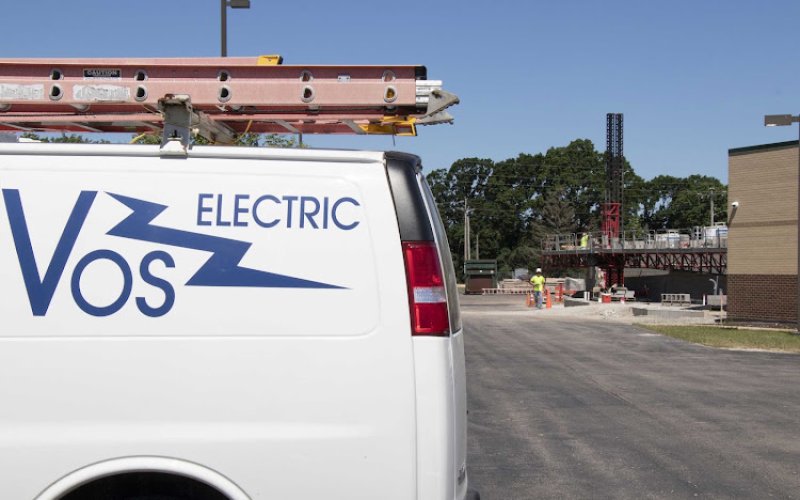
Vos Electric Inc
Electrician
Packerland Electric LLC
Electrician
Eland Electric Corporation
Electrical installation service
Plug Light Bulb Electrical Services
Electrician
Current Electrical Services, Inc.
Electrician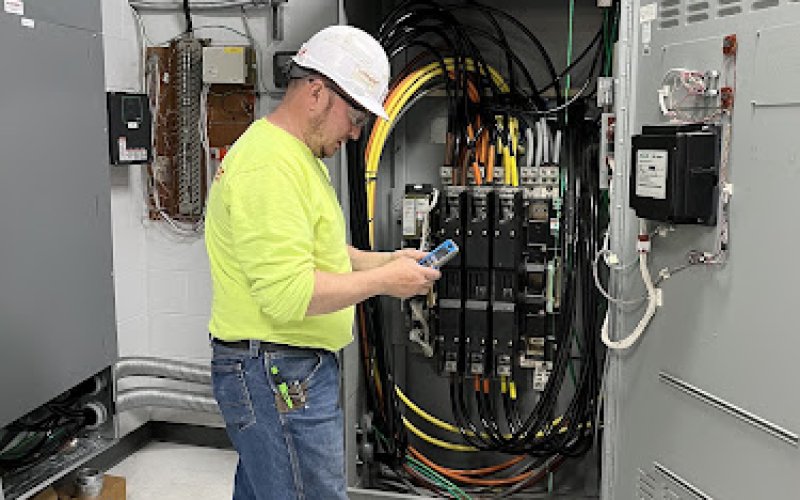
The Stiegler Company
Electrician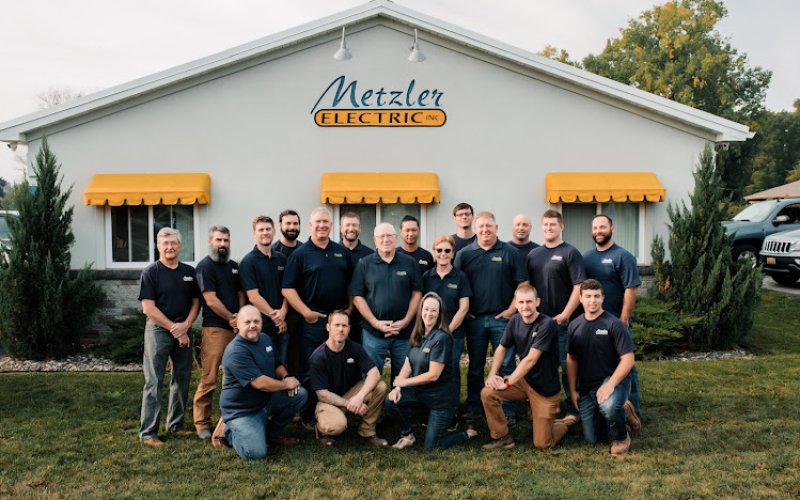
Metzler Electric, Inc.
Electrician
Northern Electric, Inc.
Electrician
Cliff Young & Son Electrical Contractors LLC
Electrician
AAA Titletown Electric Inc
Electrical installation service
Star Electric Service Inc
Home improvement store
Nickel Electric Inc
Electrician
About electrician in Green Bay
Green Bay's winters punish electrical gear from the outside in: frozen service masts, ice-loaded lines, and furnaces and sump pumps that can't afford a single tripped breaker in January.
The directory currently lists 17 Electricians in Green Bay, and the mix is what you'd expect from a Wisconsin city of this size. Many are independent shops and small crews that handle service calls, remodels and panel work. Larger outfits tend to focus on commercial buildouts, industrial sites and new construction. Residential work is the bread and butter for most.
The housing stock leans older. Neighborhoods on both sides of the Fox River are full of homes from roughly the 1920s through the 1960s, and many of those still carry 60 or 100 amp service, two-prong ungrounded outlets, and fuse boxes or early breaker panels. Some pre-1950 houses hide knob-and-tube wiring in the walls. Homes from the 1960s and 70s add their own wrinkles, including aluminum branch wiring in some and Federal Pacific or Zinsco panels in others.
Geography and weather do the rest. Green Bay sits at the southern end of the bay, with the Fox River running through town, so basements can be damp and low-lying areas deal with high groundwater. Spring thunderstorms bring lightning and surge damage. Heavy snow, ice and strong winds stress overhead service drops and meter bases. And summer humidity pushes central air conditioners hard enough to expose weak panels.
Who calls? Homeowners buying older houses who want the panel and wiring checked before closing. Families adding a 240 V circuit for an EV charger. Landlords updating rentals so they pass inspection. And anyone whose basement just flooded or whose service mast just came down in a storm.
Downtown Green Bay
- Where and what it is: The city core along the east bank of the Fox River, a mix of older commercial blocks, offices, restaurants and a growing number of apartment conversions.
- Housing and age: Brick commercial buildings from the early 1900s, plus mid-century offices and newer mixed-use buildings.
- Electrical needs: Tenant buildouts, subpanel additions, upgraded service for converted upper floors, and emergency lighting and exit signs that meet code. Old buildings often have undersized feeders and a patchwork of past remodels.
- Good to know: Commercial and multi-unit work usually needs permits and a plan review. Ask whether the electrician has done tenant improvements in older masonry buildings, where running new conduit is half the job.
Astor Park
- Where and what it is: A well-known historic residential area on the east side, near downtown, with tree-lined streets and older character homes.
- Housing and age: Mostly early-to-mid 1900s houses, many with additions and finished attics.
- Electrical needs: Replacing knob-and-tube or cloth-sheathed wiring, adding grounded circuits, and moving from 60 or 100 amp to 200 amp service so a modern kitchen and central air can coexist. Finished plaster walls make rewiring slower and more careful work.
- Good to know: Ask how they plan to fish wire through plaster and lath without wrecking the walls, and whether they patch or leave that to someone else.
Allouez
- Where and what it is: A village just south of the city along the Fox River, a mostly residential area with established streets.
- Housing and age: Largely mid-century ranch and cape-style homes, roughly 1950s-1970s, with some older houses closer to the river.
- Electrical needs: Panel replacements as original breaker boxes age past 25-40 years, GFCI and AFCI upgrades during kitchen and bath remodels, and basement circuits for finished rec rooms. Sump pump circuits deserve a dedicated, protected line.
- Good to know: Allouez is its own municipality, so confirm which building department issues the permit before work starts.
De Pere
- Where and what it is: The neighboring city to the south, across the river, with an older historic core and plenty of newer growth beyond it.
- Housing and age: A blend of century-old homes near the downtown and newer subdivisions from the 1990s onward.
- Electrical needs: Older houses need service and wiring updates; newer ones ask for EV charger circuits (240 V, 40-50 amp), whole-home surge protection and generator interlocks. Finished lower levels often need extra circuits.
- Good to know: De Pere has its own inspection process separate from Green Bay. An electrician who works both sides of the river will already know the difference.
Two quotes for the "same" job can differ widely because the jobs are rarely the same. What's behind the walls matters as much as what's on the wall.
💰 What Drives the Price
- Scope: Adding one outlet is a different job than adding a circuit back to the panel, and a written scope should say which.
- Permits and inspections: Service, panel and new-circuit work normally requires a permit and an inspection, which adds both fees and scheduling time.
- Panel and service size: Moving from 100 to 200 amp can mean a new meter base, mast, grounding electrodes and utility coordination, not just a bigger box.
- Wiring age and access: Finished plaster walls, insulated attics and tight crawl spaces slow every run.
- Equipment tier: Basic, mid-range and premium panels, devices and chargers differ in features and warranty.
- Urgency: After-hours and emergency calls cost more than scheduled work, especially in a midwinter outage.
🔧 Common Jobs and What Changes the Cost
- Panel replacement or 100 to 200 amp upgrade: Mast and meter base condition, distance from panel to meter, and whether grounding must be redone.
- EV charger circuit (240 V, 40-50 amp): Distance from the panel to the garage, available panel capacity, and whether a load calculation forces a service upgrade.
- Generator hookup or interlock: Inlet location, transfer switch versus interlock, and the size of the generator you're connecting.
- Whole-home surge protection: Panel space for the device and whether one at the meter plus point-of-use protection is wanted.
- Replacing ungrounded two-prong outlets: Whether a ground can be run, or whether GFCI protection is the right code-compliant fix.
- Storm repair of mast and meter base: Damage extent, utility disconnect coordination, and whether the inspection is required before reconnection.
🧾 How Electricians Usually Charge
- Flat price per job: Good for defined work. Confirm what happens if they open a wall and find a surprise.
- Hourly plus materials: Common for troubleshooting and remodels. Ask for an hourly rate and a markup policy on parts.
- Service-call or diagnostic fee: Often covers the trip and first assessment. Ask whether it's credited toward the repair.
- Permit fees: Usually passed through at cost. They should appear as a separate line.
📈 Local Demand Patterns
- Hot, humid summer weeks bring calls for overloaded panels and failing AC circuits, and schedules tighten.
- Thunderstorm and winter ice-storm seasons spike emergency repairs, and routine jobs get pushed back.
- Late fall, before the holidays, sees a run on lighting, generator and heating-related work.
How to Get an Accurate Price
- Get itemized written quotes from at least two or three electricians for the identical scope.
- Check what's included: permit, inspection, drywall patching, cleanup, and haul-away of the old panel.
- Ask who pulls the permit. It should be the licensed electrician, in their name.
- Pin down material allowances, such as the panel brand and breaker types, so you're comparing equal equipment.
Why Local Electricians Have an Edge
- Permit and inspection familiarity: They know how the city and neighboring municipalities, such as Allouez, De Pere and Howard, handle permits, so jobs don't stall on paperwork.
- Built for the climate: Local crews choose weather-rated enclosures, proper drip loops on service masts and sturdy supports that hold up to ice, wind and wet basements.
- Utility coordination: They've dealt with disconnects and reconnects before and know the sequence of repair, inspection and restoration.
- Faster response and callbacks: After a storm, a crew across town beats one from two hours away, and a warranty callback is a short drive.
What This Means for You
Say a spring storm damages your service mast and meter base. A local electrician can repair it, schedule the inspection and talk to the utility in one coordinated effort, often getting you powered up sooner.
Or you're buying a 1940s house on the east side. A local pro who has opened hundreds of similar walls will spot the telltale cloth wiring and undersized service in the first walkthrough.
Seasonal Patterns in Green Bay
- ☀️ Spring and summer: Remodel season, with panel upgrades, outdoor circuits, AC load work and EV charger installs. Schedules fill up, so book early.
- 🍂 Fall: A good window for generator hookups, heating-related electrical work and winterization before the ground freezes.
- ❄️ Winter: Mostly repairs and emergencies, such as dead circuits, tripping breakers and storm damage. Planned projects are easier to schedule, but frozen ground can delay outdoor service work.
- 🌀 Storm season: Spring and summer thunderstorms and winter ice and wind events create sudden surges in repair calls, especially for service masts and surge damage.
Smart Timing Tips
- ✓ Book generator hookups and surge protection before storm season, not after the first outage.
- ✓ Schedule panel and service upgrades outside peak AC season so you aren't without power on a hot day.
- ✓ Expect inspection delays after major storms, when inspectors are stretched thin.
- ✓ Bundle small jobs, like added outlets, GFCI swaps and a charger circuit, into one visit to save trips.
If a storm damages your service mast, meter base or service entrance, the power company usually won't reconnect until the repair has passed inspection. That's why a licensed electrician who pulls the permit quickly matters so much.
Credentials to Verify
- Wisconsin licensing: Look for a licensed electrical contractor with master or journeyman electricians doing the work. Verify through Wisconsin's contractor licensing board.
- Liability insurance: Ask for a certificate of insurance showing general liability coverage, sent directly from their insurer.
- Workers' compensation: Without it, you may be exposed if someone is hurt on your property.
- Permits: A real contractor pulls permits for service, panel and new-circuit work, in their own name.
Questions to Ask
- Are you licensed in Wisconsin, and can you share your license number?
- Will you pull the permit and schedule the inspection?
- Who will actually do the work: you, employees or subcontractors?
- What warranty do you offer on labor and materials?
⚠️ Red Flags
- No license number or reluctance to provide proof of insurance.
- Asking for full payment upfront. A modest deposit for materials is normal; the whole amount is not.
- Skipping permits on service, panel or new-circuit work.
- Pressure to decide on the spot, or "today only" pricing.
- A quote far below the others with no written scope.
Where to Check Complaints
- State license lookup: Confirm the license is active and check for disciplinary history.
- BBB: Look at how complaints were resolved, not just the rating.
- Google and Yelp: Read the one- and two-star reviews. Repeated mentions of no-shows, unpermitted work or surprise charges matter more than a single bad day.
Panel and service work: Look for someone who regularly handles service upgrades, meter bases and utility coordination.
Older-home rewiring: Seek experience with plaster-and-lath walls, knob-and-tube removal and fishing wire through finished spaces.
EV chargers and generators: Ask about load calculations, interlock or transfer switch experience, and chargers they've installed.
Commercial or storm-damage work: Choose a shop with emergency availability, commercial permitting experience and quick inspection scheduling.
→ Are you a licensed electrical contractor in Wisconsin, and can I see proof of insurance?
→ Have you worked on homes like mine in Green Bay, and what did you find inside?
→ Can you give me a written, itemized quote that lists materials and labor?
→ Who pulls the permit, and will you schedule the inspection?
→ What warranty do you provide on the work, and how do I reach you if something goes wrong?
→ Given my home's age and our freezing winters, should the sump pump and furnace circuits be upgraded or protected?
✓ A valid Wisconsin license and current insurance, easy to verify.
✓ Clear written quotes that list scope, equipment brands and permit responsibility.
✓ Experience with your type of home, whether an older east-side house or a newer subdivision build.
✓ Willingness to explain the problem and options in plain language.
✓ A reasonable response time and a track record of showing up as scheduled.
No license, or a license that doesn't match the name on the quote.
Refusal to pull permits for work that requires them.
Willingness to leave a known hazard, like a Federal Pacific panel or open splices, in place to save money.
Vague, verbal-only pricing with no written scope.
Check Reviews & Ratings
We recommend verifying businesses through trusted review platforms before making a decision.
Frequently Asked Questions
Popular Categories in Green Bay
Explore Other Cities
⚡ Electricians near Green Bay
Professional Categories in Green Bay, WI
Related Services from Similar Professionals