Pittsburgh's Go-To Electricians for Every Job
Looking for a solid electrician in Pittsburgh? You're in the right place — browse local pros who actually know their way around a breaker box, no corporate fluff required.
Map of Businesses in Pittsburgh
All Listings in Pittsburgh
18 businesses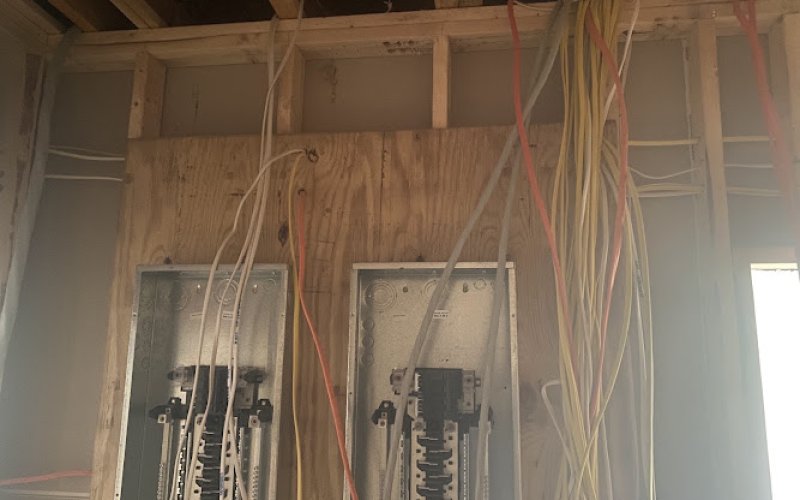
Jimmy's Electrical Service
Electrician
Precision Electrical Contractors
Utility contractor
Renaissance Electric & Power Systems
Electrician
Baby Bird Electric, LLC
Electrician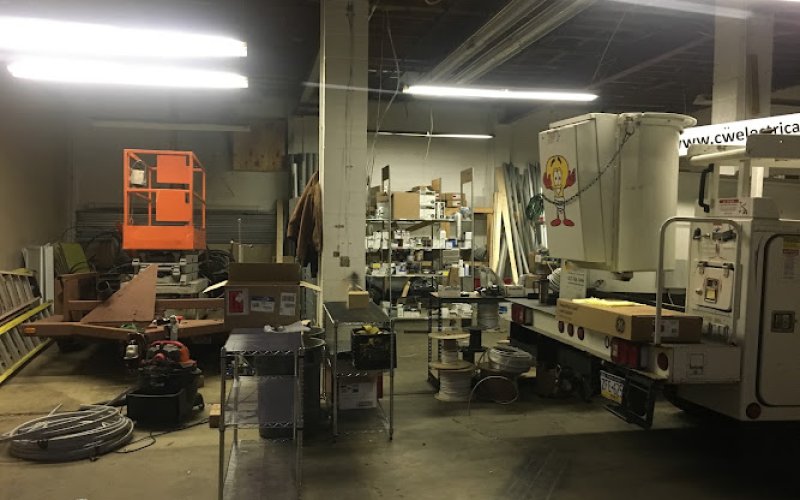
C W Electrical Services Inc
Electrician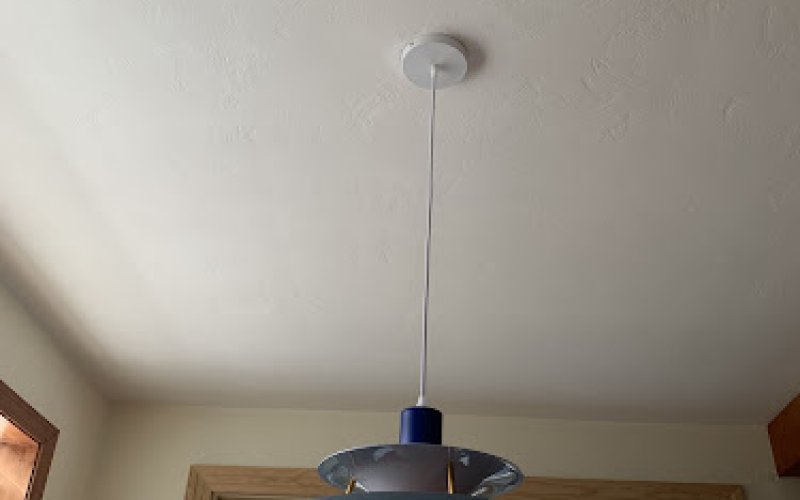
King Electric
Electrician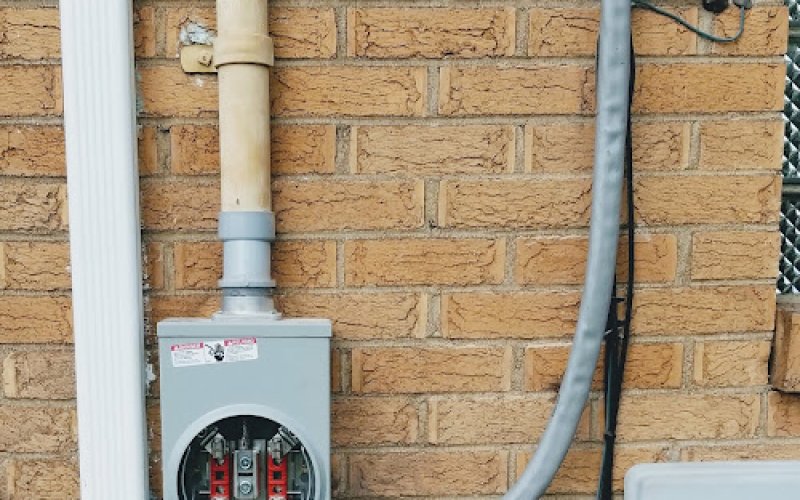
LightWork L.L.C.
Electrician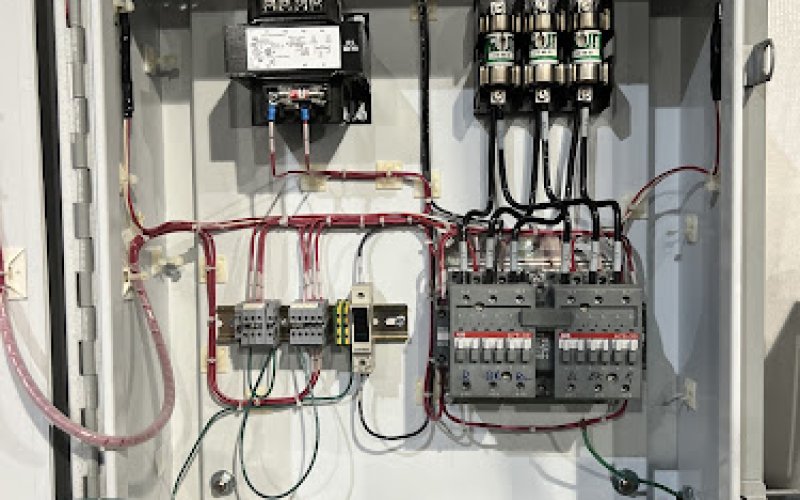
Multiple Solutions Pittsburgh
Electrician
Red Beard Electrical
Electrician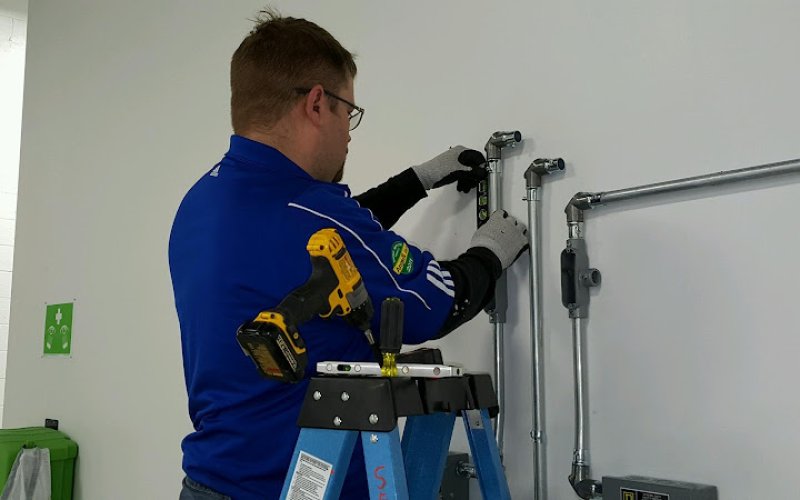
Hufnagel Electric
Electrician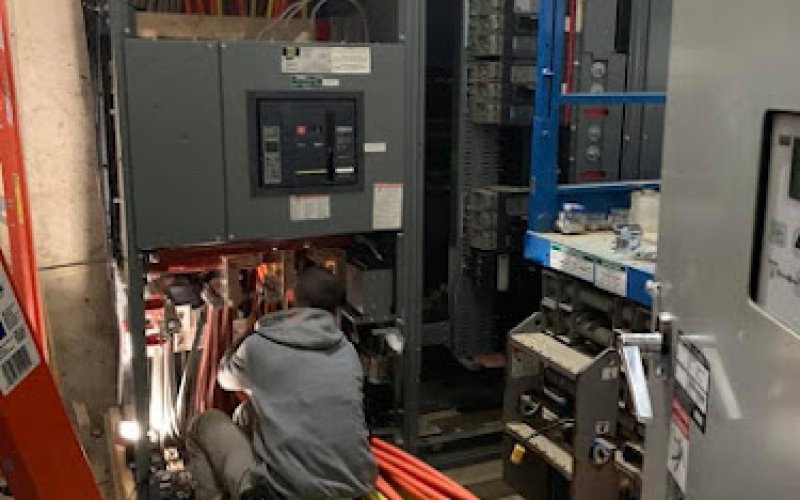
Icon Electrical Solutions
Electrician
Just Electric
Electrician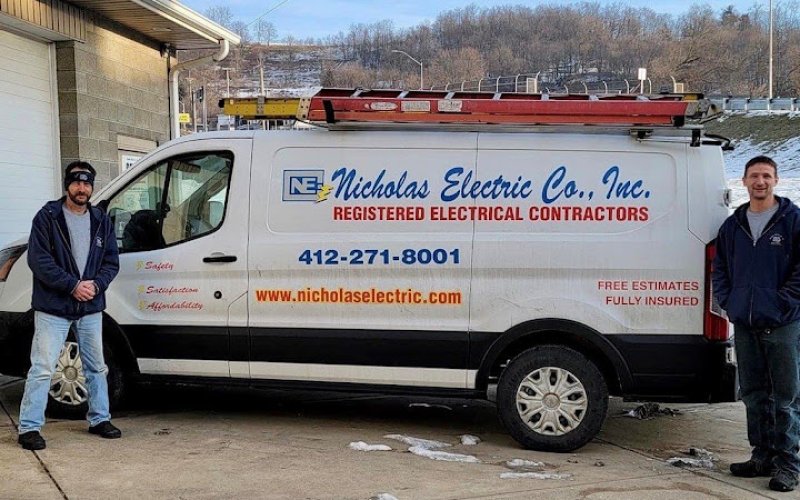
Nicholas Electric Co
Electrician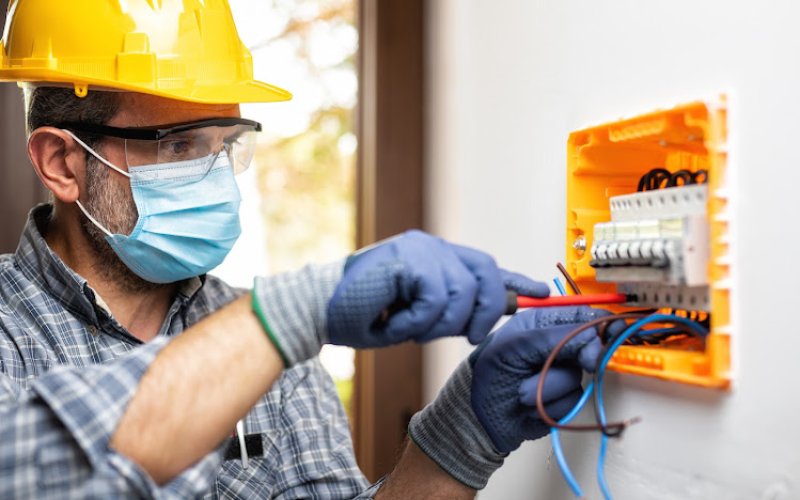
Smith Brothers Electricians
Electrician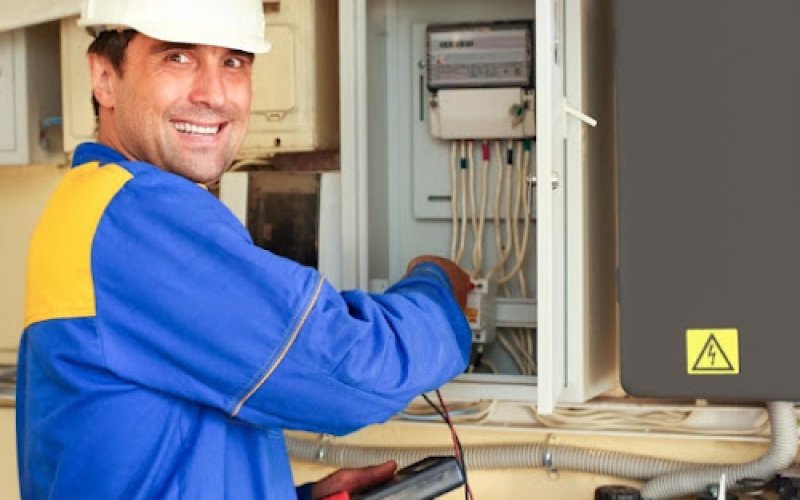
South Hills Electric LLC
Electrician
Young Electric Service
Electrician
Mendelson Electric LLC
Electrician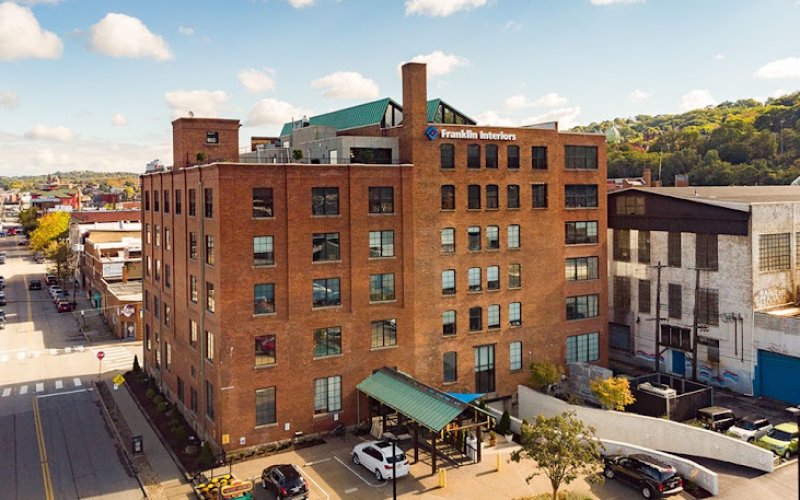
Sargent Electric Company
ElectricianAbout electrician in Pittsburgh
Here's a number that surprised me when I first dug into it: the average Pittsburgh rowhouse in Bloomfield or Polish Hill is still running on 60-amp electrical service that was installed sometime during the Truman administration. Code today calls for 200-amp minimum in most new work. That gap—between what's in the walls and what modern life actually demands—is basically the whole electrician market in this city right now.
Pittsburgh's housing stock averages 74 years old, per county assessment data, and that vintage-everything charm comes with a catch: knob-and-tube wiring, fuse boxes instead of breakers, and outlets that predate grounded plugs entirely. Combine that with a population that's actually ticked up slightly in the city core (Lawrenceville and East Liberty have both seen residential permit filings jump over 15% since 2021) and you get steady, almost stubborn demand for licensed electrical work. This isn't a boom-bust market. It's a slow burn driven by old houses meeting new expectations—EV chargers, home offices, smart thermostats, hot tubs on the deck in Fox Chapel.
There are roughly 180 licensed electrical contractors operating in Allegheny County according to state licensing records, though this directory focuses on the 18 most consistently reviewed and active in Pittsburgh proper. Average service call runs $150-$300 just to show up and diagnose. Panel upgrades—probably the single most common job in this city—land between $1,800 and $3,500 depending on amperage and whether you're in a historic district with extra permitting hoops (looking at you, Shadyside). Customers split pretty evenly between longtime homeowners finally dealing with deferred maintenance and newcomers renovating houses they just bought, often shocked—no pun intended—at what inspectors find.
Lawrenceville
- Area Profile: Young professionals, converted mill housing, median household income around $68K, heavy renovation activity
- electrician Activity: Full rewires on 1900s-era row houses, kitchen remodels needing dedicated circuits, EV charger installs are up noticeably
- Price Range: $2,500-$6,000 for partial rewires, more if knob-and-tube is found (and it usually is)
- Local Note: Butler Street's commercial corridor keeps generating spillover work—restaurant buildouts need commercial-grade electrical, different licensing tier entirely
Squirrel Hill
- Area Profile: Established families, older homeowners, some of the highest median incomes in the city proper
- electrician Activity: Generator installations (this neighborhood loses power during storms more than you'd expect given the income level), whole-house surge protection
- Price Range: $4,000-$9,000 for generator setups, $200-$400 for standard service calls
- Local Note: Lots of old-timers here who've used the same electrician for 20 years—word of mouth still drives most business, not Google reviews
South Side Slopes
- Area Profile: Mixed income, steep terrain, older housing stock clinging to hillsides
- electrician Activity: Emergency repairs are common—aging infrastructure plus difficult access means jobs take longer
- Price Range: Add 10-15% premium over flatland pricing due to access difficulty
- Local Note: Some contractors flat-out won't take slope jobs in winter. Ask upfront if that's a dealbreaker for timing.
📊 Current Price Points:
- Budget options: $85-$150/hour for basic troubleshooting, outlet swaps, fixture installs
- Mid-range: $1,500-$4,000 for panel upgrades, partial rewires (this is where most jobs land)
- Premium: $10,000+ for whole-house rewires, smart home systems, generator packages
📈 Market Trends: Demand is up roughly 12% year-over-year, driven heavily by EV charger installation requests—that alone has become almost its own subcategory. Supply is tight; licensed electricians report booking 3-5 weeks out for non-emergency work, up from about 2 weeks in 2022. Pricing has climbed 8-10% since last year, mostly copper costs and labor shortages, not gouging. Winter sees a spike in emergency calls (frozen pipes bursting near wiring, ice dam damage) while spring brings the renovation rush. Average project completion: 1-3 days for standard jobs, 1-2 weeks for full rewires. 💰 What People Are Spending:
- Panel upgrades — average $2,400
- EV charger installation — average $1,100
- Full home rewiring — average $9,500
- Generator hookup — average $650 (excluding generator cost)
- Smart home/lighting automation — average $3,200
Economic Indicators: Pittsburgh's population has stabilized after decades of decline—actually growing about 0.4% annually in the city core per recent Census estimates. UPMC and the university systems (Pitt, CMU) remain the dominant employers, and that steady institutional presence means steady household income, even if it's not flashy growth. Median household income sits around $58,000 citywide, a bit under the state average of $67,000, but neighborhood variance is enormous—compare Fox Chapel to Homewood and you're looking at a $100K+ gap.
New development is concentrated in the Strip District (residential conversions of old warehouses), Hazelwood Green (the old LTV Steel site, now tech-focused), and continued build-out along the East Liberty corridor. Every one of these projects needs commercial and residential electrical work, and that's pulled several contractors toward larger commercial contracts, sometimes at the expense of small residential jobs—which is part of why booking times have stretched out.
Local Market Dynamics: Demand here isn't speculative, it's structural—old houses simply need this work eventually, whether the economy is hot or cold. Competition is fragmented; no single company dominates more than a small slice of the market, which keeps pricing relatively honest but also makes vetting quality harder for homeowners. How This Affects Buyers: if you're buying a house in, say, Bloomfield built in 1925, budget for an electrical inspection before closing. I've seen deals nearly fall apart over surprise knob-and-tube wiring discovered during final walkthroughs.
Pittsburgh Seasonal Patterns:
- ☀️ Spring/Summer: Peak demand, renovation season, expect longer wait times and premium scheduling
- 🍂 Fall: Slight dip before winter emergencies kick in—decent window for non-urgent work
- ❄️ Winter: Emergency-driven surge (space heater overloads, storm damage), pricing firms up on rush jobs
- 📅 Peak months: June-August for bookings; January-February best for negotiating on planned projects
Timing Tips for Pittsburgh: Late winter tends to offer the best rates for scheduled work since crews aren't slammed yet. Tax season (Feb-April) sometimes triggers a wave of homeowners using refunds for panel upgrades—book before that rush hits. Home & Garden Show season in March also tends to spike interest citywide.
Smart Timing Tips:
✓ Schedule non-urgent panel work in January or February for better availability
✓ Get quotes locked in before spring renovation season hits full swing
✓ If buying an older home, get the electrical inspection done before your 10-day inspection window closes
✓ Don't wait until a heat wave to fix AC circuit issues—June is already booked solid
Credentials to Verify: In Pennsylvania, electricians should carry a valid license registered through the local municipality (Pittsburgh requires its own electrical license separate from general contracting) and carry liability insurance minimum $300K. Check the Pennsylvania Office of Attorney General's Bureau of Consumer Protection for complaint history. Membership in the Independent Electrical Contractors (IEC) or NECA's Pittsburgh chapter is a decent signal of legitimacy, though plenty of solid one-person operations aren't affiliated with either.
Questions to Ask: How long have they worked specifically in Pittsburgh (not just "the region")? Can they give you two local references from the last six months? Will they put the estimate in writing before starting?
⚠️ Red Flags Specific to Pittsburgh electrician:
- Door-knockers after storms offering "emergency" panel replacement—almost always overpriced and rushed
- Cash-only pricing with no written estimate
- Contractors who can't produce a city-specific license number on request
- Anyone quoting a full rewire without physically inspecting the property first
Where to Check Complaints: PA Attorney General's consumer complaint database, Better Business Bureau of Western PA, and honestly—Nextdoor and neighborhood Facebook groups catch complaints faster than anywhere official. Look for patterns in Google reviews, not just star averages; one bad review with detailed specifics tells you more than five vague five-stars.
✓ Established presence in Pittsburgh (not just passing through)
✓ Verifiable local reviews and references
✓ Transparent pricing, no hidden fees
✓ Clear process explained upfront
✓ Responsive communication
Check Reviews & Ratings
We recommend verifying businesses through trusted review platforms before making a decision.
Frequently Asked Questions
Popular Categories in Pittsburgh
Explore Other Cities
⚡ Electricians near Pittsburgh
Professional Categories in Pittsburgh, PA
Related Services from Similar Professionals