Trusted Local Electricians in Little Rock, AR
Welcome to the Little Rock electricians directory! Whether you're tackling a flickering light or planning a bigger project, we're here to help you find a local pro who can get it sorted.
Map of Businesses in Little Rock
All Listings in Little Rock
12 businesses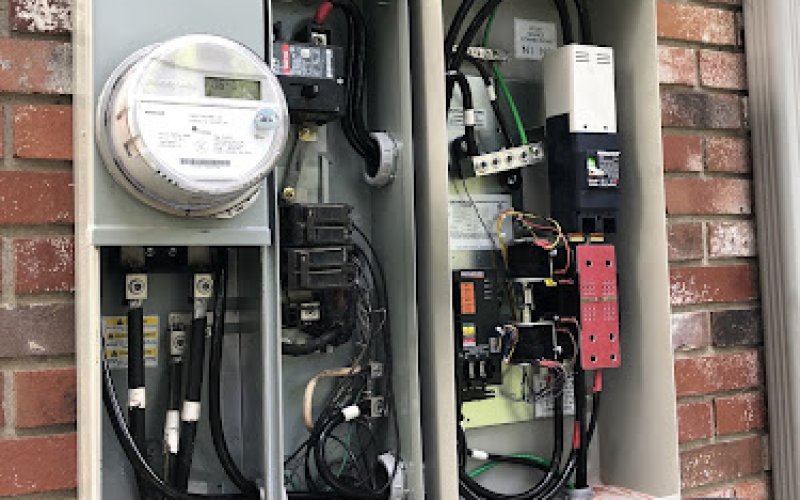
Anderson & Company Electric
Electrician
IK Electric Company
Electrician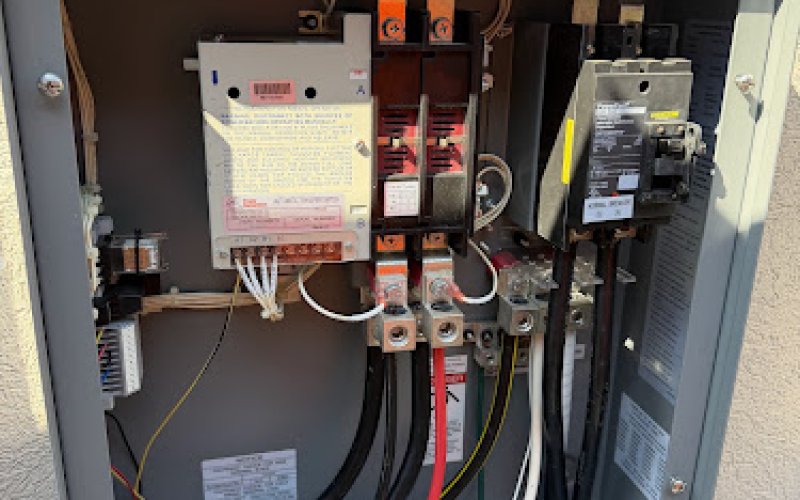
Milligan Electric
Electrician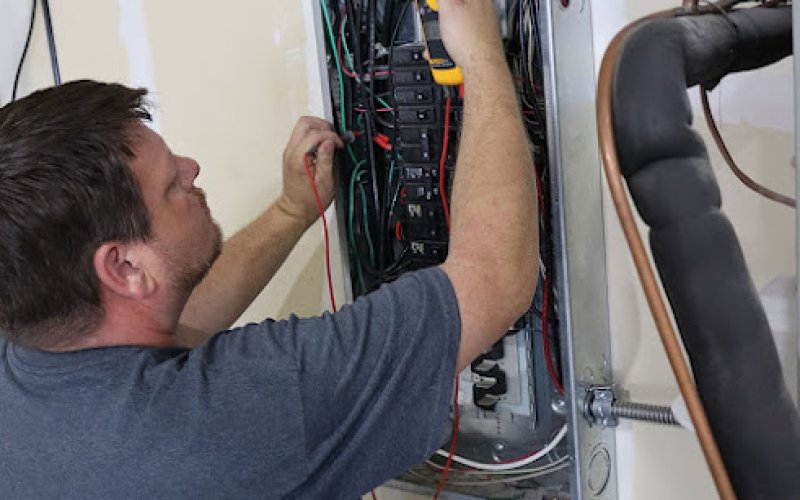
Electrical Solutions of Central Arkansas
Electrician
Globe Electric
Electrician
McCurley Electric
Electrician
Mister Sparky® of Little Rock
Electrician
Mr. Electric of Little Rock
Electrician
Staley Electric
Electrician
Bert Black - AC Heating Plumbing Electric
Electrician
Gary Houston Electric Company, Inc.
Electrician
Chr-eyton Inc
ElectricianAbout electrician in Little Rock
Little Rock sits in the humid South, where summer air conditioning runs for months and spring storms bring lightning, straight-line wind and the occasional tornado warning. That combination wears on service equipment faster than most homeowners expect.
The local market is mostly independent shops and small crews, with a few larger outfits handling commercial buildouts and bigger service contracts. This directory currently lists 12 Electricians in Little Rock, and the mix covers residential repair, remodel work, and light commercial. Smaller crews tend to be easier to reach for a quick troubleshooting visit, while larger firms are better suited to multi-unit or tenant-improvement projects.
The housing stock runs wide. Neighborhoods near downtown carry homes from roughly the 1920s through the 1950s, where you may find ungrounded two-prong outlets, 60 or 100 amp services, and the occasional run of knob-and-tube in attics. Postwar ranch houses and 1960s-70s suburban builds bring their own issues: Federal Pacific and Zinsco panels, and aluminum branch wiring in homes from roughly 1965 to 1973. Newer west Little Rock subdivisions usually have 200 amp panels but plenty of demand for added circuits.
Climate and geography shape the work. Heat and humidity stress breakers and outdoor disconnects, lightning drives surge-protection calls, and hilly terrain west of downtown means long overhead service drops exposed to falling limbs. People call for panel upgrades before selling a house, for EV charger circuits, for generator hookups ahead of storm season, and for emergency repairs when a tree takes down a service mast.
Hillcrest
- Where and what it is: A close-in, walkable neighborhood just northwest of downtown, known for tree-lined streets, small shops and a strong historic character.
- Housing and age: Bungalows, Tudor-style homes and cottages, mostly 1920s-1950s.
- Electrical needs: Expect original wiring in unrenovated houses: ungrounded outlets, cloth-insulated conductors, fuse boxes or undersized 60-100 amp panels. Kitchen and bath remodels almost always trigger a service upgrade to 150 or 200 amp and added 20 amp circuits.
- Good to know: Ask the electrician to open a few outlets and check the attic and crawl space for knob-and-tube before quoting. Concealed old wiring is the biggest source of mid-job surprises here.
Heights
- Where and what it is: A hillside residential area west of downtown, with larger lots, mature trees and winding streets.
- Housing and age: A mix of 1930s-1960s homes, many of them larger and expanded over the years.
- Electrical needs: Additions layered onto older houses often mean overloaded subpanels and mismatched wiring eras. Mature trees put overhead service drops and masts at risk during storms, and whole-home surge protection is a sensible add-on given lightning exposure.
- Good to know: If the home has been added onto several times, ask for a load calculation rather than a guess. It tells you whether 200 amps is truly enough or whether a larger service is justified.
The Quapaw Quarter
- Where and what it is: The historic residential district just south and east of downtown, known for grand Victorian and early-20th-century homes.
- Housing and age: Large Victorian, Colonial Revival and Craftsman houses, mostly 1880s-1930s, many converted to apartments or offices.
- Electrical needs: Multi-unit conversions often have tangled subpanels, shared meters and wiring added piecemeal over a century. Plaster-and-lath walls make fishing new cable slow, and old knob-and-tube can still be live behind finished walls.
- Good to know: Work on historic exteriors, including relocated meters or service masts, may need design review before approval. Confirm the electrician has handled historic homes and ask who handles that paperwork.
West Little Rock
- Where and what it is: The large suburban stretch along and beyond the Chenal Parkway and Rodney Parham corridors, home to newer subdivisions and shopping areas.
- Housing and age: Mostly 1980s through recent construction, with large single-family homes.
- Electrical needs: Most homes have 200 amp services, so calls center on EV charger circuits (240 V, 40-50 amp), whole-home generator hookups, surge protection and added outlets for finished bonus rooms. Older 1980s homes may still have original panels approaching the end of their roughly 25-40 year lifespan.
- Good to know: Check HOA rules before mounting a generator or outdoor equipment, and confirm the electrician will pull the permit for any panel or EV circuit work.
Electrical quotes vary because no two houses are wired the same way. What matters is the scope of work and the condition of what's already there.
💰 What Drives the Price
- Scope of work: Swapping a fixture is a different job from running a new 20 amp circuit through finished walls.
- Permits and inspections: Panel, service and new-circuit work typically requires a permit and inspection, and that time and fee are part of the job.
- Panel and service size: Moving from 100 to 200 amps involves a new panel, meter base, mast and often utility coordination.
- Wiring age and access: Finished plaster walls, tight attics and low crawl spaces slow every run.
- Equipment tier: Budget, mid-range and premium panels, breakers, surge protectors and fixtures all differ in cost and lifespan.
- Urgency and timing: After-hours and storm emergency calls cost more than scheduled work.
🔧 Common Jobs and What Changes the Cost
- Panel replacement or 100 to 200 amp upgrade: Bigger if the meter base, mast or service conductors also need replacement; smaller when only the panel changes.
- EV charger circuit (240 V, 40-50 amp): Depends on the distance from the panel to the garage and whether the panel has spare capacity.
- Whole-home generator hookup or interlock: An interlock is simpler; a transfer switch with a dedicated generator inlet takes more labor and permitting.
- Whole-home surge protection: Mostly depends on the protector's rating and whether the panel has room for it.
- Replacing ungrounded two-prong outlets: Cheaper if a ground path exists; more involved if new grounded wiring must be pulled, or GFCI protection used where grounding isn't available.
- Storm-damage repair of the service mast and meter base: Hinges on whether the utility must disconnect and reconnect, and whether the weatherhead and conductors are damaged too.
🧾 How Electricians Usually Charge
- Flat price per job: Common for defined work like a panel swap. Make sure the quote spells out what happens if hidden problems appear.
- Hourly plus materials: Typical for troubleshooting and open-ended repairs. Ask for an estimate of hours and how materials are marked up.
- Service-call or diagnostic fee: Covers the trip and initial assessment. Ask whether it's credited toward the repair if you proceed.
- Permit fees: Usually passed through at cost. They should appear as a line item, not a vague add-on.
📈 Local Demand Patterns
- Summer brings AC-related calls: tripped breakers, failing disconnects and overloaded circuits. Schedules fill when heat waves hit.
- Spring storm season produces a spike of lightning, wind and tree-strike repairs, and emergency work gets priority over scheduled projects.
- Around the holidays, expect requests for exterior lighting, added outlets and pre-gathering fixes, which can stretch lead times for small jobs.
How to Get an Accurate Price
- Get written, itemized quotes from at least two or three electricians for the identical scope.
- Confirm what's included: materials, permit, inspection, cleanup and wall or drywall patching.
- Ask who pulls the permit. The licensed contractor should, not you.
- Pin down material allowances, such as panel brand and breaker type, so quotes compare fairly.
Why Local Electricians Have an Edge
- Permit and inspection familiarity: Local crews know how the city and neighboring jurisdictions handle permits and inspections, including that North Little Rock runs its own process separate from Little Rock's.
- Building for the climate: They specify weather-rated enclosures, corrosion-resistant fittings and surge protection suited to humid summers, heavy storms and lightning exposure.
- Utility coordination: Disconnects and reconnects for meter and service work go smoother when the electrician already deals with the local utility's process.
- Storm response and callbacks: A nearby shop can reach you quickly after a storm and return easily if an inspector flags something or a breaker keeps tripping.
What This Means for You
Say a spring storm drops a limb on your service mast in the Heights. A local electrician knows how to get the weatherhead and meter base repaired, scheduled for inspection and ready for reconnection without guesswork.
An out-of-area contractor may not know the local inspection sequence or have the relationships to move it along. That gap can mean extra days without power.
Seasonal Patterns in Little Rock
- ☀️ Spring/Summer: Peak AC load exposes weak breakers, aging disconnects and overloaded circuits. Service calls pile up during heat waves, so scheduled projects may wait.
- 🍂 Fall: A good window for panel upgrades, EV charger installs and remodel wiring. Demand is gentler and scheduling is easier.
- ❄️ Winter: Heating loads and space heaters stress older circuits, and ice storms can bring down lines and masts. Indoor projects like recessed lighting and added outlets fit well here.
- 🌀 Storm season: Severe weather in spring and into early summer, along with tornado and straight-line wind risk, drives emergency repairs. Emergency work generally jumps the queue.
Smart Timing Tips
- ✓ Book generator hookups and whole-home surge protection before storm season, not after the first warning.
- ✓ Schedule panel and service work outside peak AC season, when crews are less stretched.
- ✓ Expect inspection delays after major storms, when inspectors are backed up.
- ✓ Bundle several small jobs into one visit to reduce trip and setup time.
If a storm damages your service mast, meter base or weatherhead, the power company usually will not reconnect until the repair passes inspection. That means the sequence is repair, inspection, then reconnection, so line up a licensed electrician early.
Credentials to Verify
- Arkansas licensing: Electrical work in Arkansas involves licensed electrical contractors and licensed journeyman or master electricians. Ask which license applies to the person doing your job.
- Liability insurance and workers' compensation: Request a certificate of insurance and confirm it is current, not just promised.
- Permits: A legitimate contractor pulls permits for panel, service and new-circuit work and schedules the inspection.
Questions to Ask
- Which license do you hold, and can I look it up?
- Will you pull the permit and schedule the inspection?
- Who will actually be doing the work, you or a subcontractor?
- What happens if you find hidden wiring problems once walls are open?
⚠️ Red Flags
- No license number or no proof of insurance when asked.
- Demanding full payment upfront rather than a reasonable deposit tied to milestones.
- Skipping permits on service, panel or new-circuit work.
- Pressure to decide on the spot or claims that a deal expires today.
- A quote far below the others with no written scope of work.
Where to Check Complaints
- Arkansas's contractor licensing board offers a license lookup so you can verify status and any disciplinary history.
- The BBB shows complaint history and how the business responded.
- Google and Yelp reviews are most useful when you look for patterns: repeated no-shows, unfinished work, surprise charges or unpermitted jobs.
Panel and service work: Look for experience with 100 to 200 amp upgrades, meter base replacement and utility coordination.
Older-home rewiring: Seek someone comfortable with plaster walls, knob-and-tube removal and bringing grounding up to current practice in 1920s-1950s houses.
EV chargers and generators: Choose an electrician who does load calculations and installs transfer switches or interlocks to code.
Commercial or storm-damage work: Look for a firm with experience in tenant buildouts or fast emergency repairs and a track record with inspections.
→ Are you licensed in Arkansas, and can you show me proof of license and current insurance?
→ Have you worked on homes like mine in Little Rock, and what did those jobs involve?
→ Can you give me a written, itemized quote for the full scope?
→ Will you pull the permit and be present for the inspection?
→ What warranty do you offer on labor and materials?
→ Given Little Rock's storms and lightning, what surge protection or weather-rated equipment would you recommend for my service?
✓ A license number you can verify, not just a verbal claim.
✓ Clear written quotes that name panel brand, breaker type and permit responsibility.
✓ Willingness to explain findings in plain language and show you what they found.
✓ Experience with your home's era and wiring type.
✓ Reasonable availability for follow-up if an inspector flags an issue.
Refusing to pull permits for work that requires them.
Offering to leave Federal Pacific or Zinsco panels in place without even discussing replacement.
Using undersized wire or breakers to match an existing circuit rather than correcting the problem.
Unable or unwilling to provide a license number and proof of insurance.
Check Reviews & Ratings
We recommend verifying businesses through trusted review platforms before making a decision.
Frequently Asked Questions
Popular Categories in Little Rock
Explore Other Cities
⚡ Electricians near Little Rock
Professional Categories in Little Rock, AR
Related Services from Similar Professionals