Need Electricians in Colorado Springs? Find Them Fast.
Welcome to the Colorado Springs electricians directory, your go-to spot for finding local pros who can handle everything from a flickering light to a full rewire. Browse around, compare your options, and find someone you feel good about calling for the job.
Map of Businesses in Colorado Springs
All Listings in Colorado Springs
17 businesses
Celtic Electric
Electrician
JRD Electric
Electrician
Super B Electric LLC
Electrical installation service
The Electric Way
Electrician
A&E Electric
Electrician
BudCo Electric
Electrician
CUSI Electric
Electrician
DR Electric
Electrician
Front Range Electric
Electrician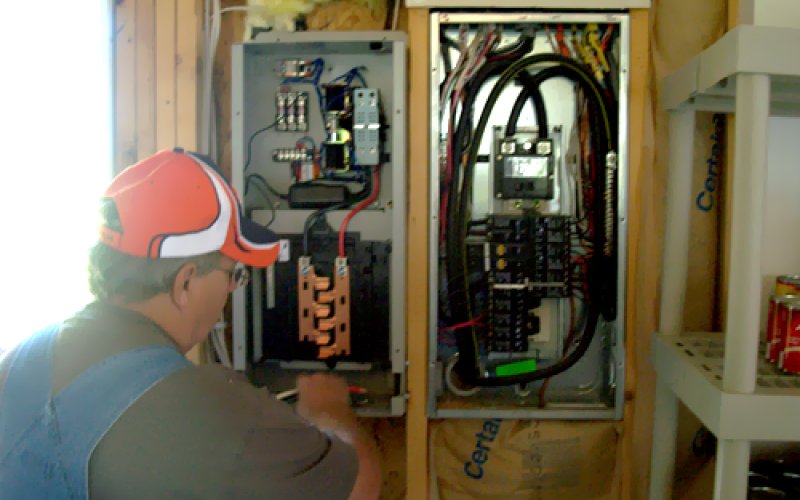
Gaddie Electric
Electrician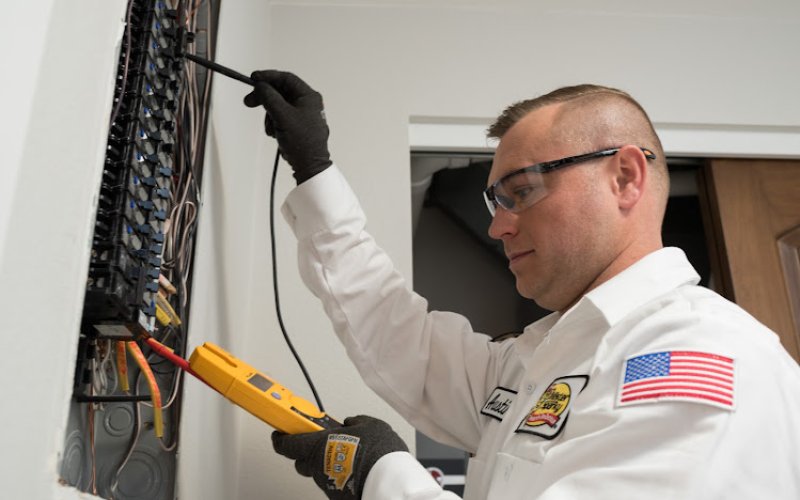
Mister Sparky of Colorado Springs
Electrician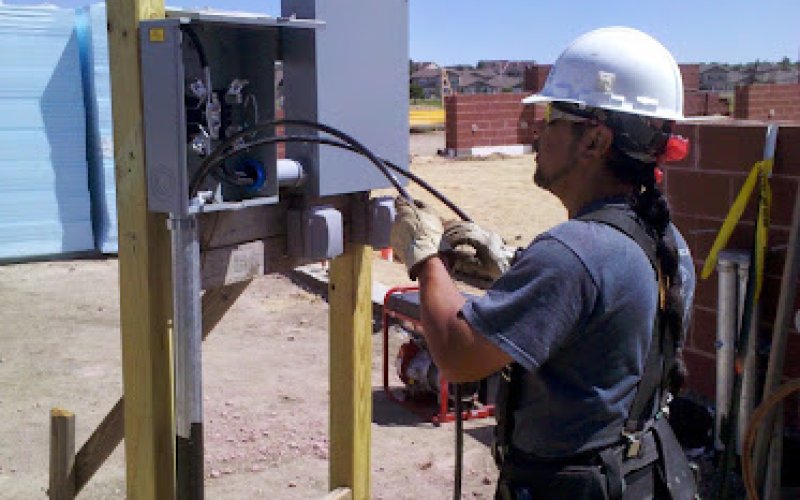
Swartz Electric, LLC
Electrician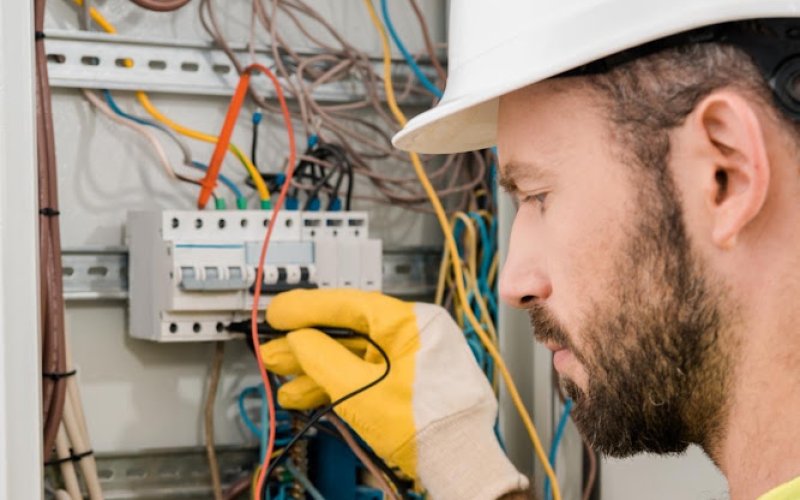
The Speedy Electricians of Colorado Springs
Electrical repair shop
Apache Electric & Maintenance, Inc.
Electrician
Troy & Sons Electric
Electrical installation service
American Electrician
Electrician
Guarantee Electrical
ElectricianAbout electrician in Colorado Springs
Colorado Springs sits at roughly 6,000 feet, in one of the more lightning-active stretches of the Front Range. Thin air, dry summers and afternoon thunderstorms make surge protection and good grounding more than a nice-to-have.
This directory currently lists 17 Electricians in Colorado Springs, and the market is a mix. Many are independent shops and small crews handling residential service calls, remodels and panel work; a few larger outfits take on commercial buildouts, new subdivisions and multi-unit projects. Military-adjacent housing, rental turnovers and steady new construction on the north and east sides keep both residential and light-commercial work moving.
The housing stock runs wide. Near downtown and the Old North End you will find homes from roughly the 1900s-1940s, where knob-and-tube wiring, cloth-sheathed cable and ungrounded two-prong outlets still turn up behind walls. The big postwar and 1960s-80s ring around the city brings its own issues: 100-amp services that no longer match modern loads, aluminum branch wiring in some late-1960s to early-1970s builds, and the occasional Federal Pacific or Zinsco panel.
Newer subdivisions in the north and northeast usually start at 200 amps, but they are where EV chargers and generator hookups are most requested.
Climate matters. Intense UV and big temperature swings cook exterior cable and weatherheads, freeze-thaw cycles loosen masts and meter bases, and summer thunderstorms bring surges and direct-strike damage. Heavy wet snow and wind can also pull service drops off the house. Most calls fall into a few buckets: panel and service upgrades, tripping breakers, dead outlets after a storm, EV charger circuits, and pre-sale inspection fixes.
Old North End
- Where and what it is: A historic residential district just north of downtown, known for tree-lined streets and large, well-kept older homes.
- Housing and age: Mostly early 1900s through 1940s, many in brick or stone, with additions layered on over the decades.
- Electrical needs: Expect mixed wiring generations in one house: remnant knob-and-tube, ungrounded 15-amp circuits, and service sized at 60 or 100 amps. Kitchens and added bathrooms often lack GFCI protection, and fuse panels still exist in places. Whole-house rewiring through plaster walls is a specialty skill.
- Good to know: Exterior changes, including a relocated service mast, can touch historic-district review, so ask before work starts. Ask how the electrician plans to fish wire without wrecking original plaster.
Old Colorado City
- Where and what it is: A historic district on the west side along Colorado Avenue, with a walkable commercial strip surrounded by older homes.
- Housing and age: Small cottages and bungalows from the late 1800s to the 1940s, plus older mixed-use storefronts.
- Electrical needs: Storefronts need tenant buildout work: dedicated 20-amp circuits, subpanels, and lighting retrofits. Houses nearby often have undersized services and splices buried in basements and crawl spaces. Foothill wind and snow load on aging service drops is a recurring repair.
- Good to know: For commercial space, confirm the electrician pulls permits and schedules inspection before the walls are closed. Older buildings sometimes hide panels in odd places, so ask for a panel directory to be rewritten after any work.
Briargate
- Where and what it is: A large planned community on the north side, built out in phases from the late 1980s onward.
- Housing and age: Mostly 1990s through 2010s single-family homes, with some townhomes.
- Electrical needs: Services are typically 200 amps with grounded circuits, so the work is modern-load work: 240 V, 40-50 amp EV charger circuits, whole-home surge protection, generator interlocks, and basement finishes needing new circuits. AFCI and GFCI protection should already be in place in newer sections; older sections may need updates.
- Good to know: HOA rules may govern where a generator or outdoor equipment sits. Ask the electrician to confirm panel capacity with a load calculation before adding a charger.
Broadmoor
- Where and what it is: A well-known southwest-side area at the base of Cheyenne Mountain, home to the resort and some of the city's larger residences.
- Housing and age: A mix of early-to-mid 20th-century estates and later custom homes, many with substantial square footage and detached structures.
- Electrical needs: Large homes mean larger loads: 200-amp or even 400-amp service, multiple subpanels, landscape and exterior lighting, detached garage feeders, and generator systems. Mountain-edge lightning exposure makes whole-home surge protection and proper grounding electrodes a priority.
- Good to know: Feeder runs to outbuildings need correct burial depth and conduit, so ask what the plan is and whether it will be inspected before backfill.
Two electricians can quote the same job and land far apart, and the reasons are usually legitimate. Understanding what is inside the number makes quotes easier to compare.
💰 What Drives the Price
- Scope: Adding one outlet is a different job than adding a dedicated circuit that runs 60 feet through a finished wall.
- Permits and inspections: Service, panel and new-circuit work generally needs a permit and an inspection, which adds fees and scheduling time.
- Panel and service size: Moving from 100 amps to 200 amps can involve a new meter base, mast, conductors and grounding, not just a new panel.
- Wiring age and access: Plaster walls, finished basements, tight attics and low crawl spaces all slow the work.
- Equipment tier: Basic, mid-range and premium panels, surge devices and chargers carry different material costs and warranties.
- Urgency: After-hours and same-day emergency calls typically carry a premium over scheduled work.
🔧 Common Jobs and What Changes the Cost
- Panel replacement or 100 to 200 amp service upgrade: Cost shifts with whether the meter base, mast and grounding must be replaced and how far the panel sits from the meter.
- EV charger circuit (240 V, 40-50 amp): Distance from the panel and available panel capacity are the big swing factors; a load calculation may reveal a panel upgrade is needed first.
- Whole-home generator hookup or interlock: A manual interlock is a simpler job than an automatic transfer switch, and gas line and pad work are usually separate trades.
- Whole-home surge protection: The device is installed at the panel, so cost mostly depends on device rating and panel layout.
- Replacing ungrounded two-prong outlets: Running a new grounded circuit costs more than adding GFCI protection, and the number of outlets and wall access decide the rest.
- Storm-damage repair of the service mast and meter base: Cost depends on whether the mast, weatherhead, meter base or drop connection is damaged, and whether the repair triggers an inspection.
🧾 How Electricians Usually Charge
- Flat price per job: Good for defined work like a charger circuit; make sure the written scope lists what is and is not included.
- Hourly plus materials: Common for troubleshooting and open-ended repairs; ask for an estimated hour range and how material markup is handled.
- Service-call or diagnostic fee: Often credited toward the work if you proceed, but confirm that before the visit.
- Permit fees passed through: These should appear as a line item, not be buried in a vague total.
📈 Local Demand Patterns
- Summer thunderstorm season brings surge damage, tripped breakers and lightning-related calls, so scheduling tightens on stormy weeks.
- Hot stretches increase AC-related circuit and panel complaints, and warmer months in general bring more remodel and EV charger work.
- Holiday lighting and the first heavy snows prompt a wave of outdoor outlet and service-drop calls in late fall and winter.
How to Get an Accurate Price
- Request written, itemized quotes for the exact same scope from at least two or three electricians.
- Ask what is included: permit, inspection, drywall patching, haul-away, and panel labeling.
- Confirm who pulls the permit. It should be the licensed electrician, not you.
- Get material allowances in writing, such as the panel brand or charger model, so upgrades do not appear later as surprise add-ons.
Why Local Electricians Have an Edge
- Permit and inspection knowledge: A local electrician knows how inspections are scheduled with the city or El Paso County building department and what inspectors tend to flag, which keeps panel and service jobs from stalling.
- Built for the climate: At altitude, with strong UV, freeze-thaw cycles and heavy wet snow, weather-rated enclosures, UV-resistant conduit and properly secured service masts last longer.
- Utility coordination: Service work often requires a disconnect and reconnect through the local power utility, and someone who handles that routinely sequences it without leaving you in the dark for days.
- Faster response and easy callbacks: After a storm, a nearby shop can reach you sooner, and a warranty callback is a short drive rather than a scheduling saga.
What This Means for You
Say a summer storm tears the service mast off your Rustic Hills ranch. A local electrician can replace the mast and meter base, get the inspection scheduled quickly, and coordinate reconnection with the utility. Someone unfamiliar with the process may do the repair correctly but still leave you waiting on paperwork.
The same goes for a pre-sale fix list on an older home near downtown. A local who works in these houses weekly will recognize cloth-sheathed wiring and bootleg grounds on sight.
Seasonal Patterns in Colorado Springs
- ☀️ Spring/Summer: Remodels, EV charger installs, outdoor lighting and AC-related upgrades fill schedules. Book larger projects early, since good crews get booked out.
- 🍂 Fall: A good window for panel and service upgrades before winter, and for generator or surge protection prep. Availability usually loosens a bit after the summer rush.
- ❄️ Winter: Heating-related issues, holiday lighting overloads, and snow-damaged service drops dominate. Indoor work like rewiring or basement finishing is easier to schedule.
- 🌀 Storm season: Thunderstorm season peaks in summer afternoons, bringing lightning surges and wind damage. Heavy spring and fall snows can also bring down lines and masts.
Smart Timing Tips
- ✓ Book whole-home surge protection and generator hookups before summer storm season starts.
- ✓ Schedule panel and service work outside peak summer heat, when outages are harder to tolerate and crews are busiest.
- ✓ Expect inspection delays after major storms, when everyone needs a reconnect at once.
- ✓ Bundle several small jobs, like a charger circuit, new outlets and a ceiling fan, into one visit to save on service calls.
If a storm damages your service equipment, the power utility will usually not reconnect until the repair passes inspection. That means a fast, correct repair with the permit pulled up front gets your power back sooner than a quick fix that has to be redone.
Credentials to Verify
- Licensing: In Colorado, electrical work is licensed at the state level, with master electricians, journeyman electricians and electrical contractors holding different roles. Ask who will actually do the work and what license they hold.
- Liability insurance: Ask for a certificate of insurance showing general liability coverage, sent directly from the insurer when possible.
- Workers' compensation: Without it, you can be exposed if someone is injured on your property.
- Permits: A real electrician pulls permits for service, panel and new-circuit work and schedules the inspection.
Questions to Ask
- Who exactly will be doing the work, and what is their license level?
- Will you pull the permit and be present for the inspection?
- Can I see a written scope with materials listed?
- What is your warranty on labor, and who do I call if a breaker trips next week?
⚠️ Red Flags
- No license number or no proof of insurance when asked.
- Asking for full payment upfront, rather than a modest deposit with milestones.
- Suggesting you skip the permit on service, panel or new-circuit work to save time.
- Pressure to decide today, especially after a scare-heavy sales pitch about your wiring.
- A quote far below the others with no written scope, which usually means corners or add-ons later.
Where to Check Complaints
- Colorado's contractor licensing board lookup, to confirm the license is active and see any disciplinary history.
- The BBB, for how complaints were handled rather than just whether they exist.
- Google and Yelp reviews. Look for patterns: repeated no-shows, unfinished jobs, surprise charges, or failed inspections.
Panel and service work: Look for someone who handles meter bases, masts and grounding electrodes routinely and coordinates with the utility and inspector.
Older-home rewiring: Choose an electrician with experience fishing wire through plaster and finished walls and replacing knob-and-tube, ideally in 1900s-1950s homes.
EV chargers and generators: Look for load-calculation skills, comfort with 240 V, 40-50 amp circuits, transfer switches and interlocks, and clean permit records.
Commercial or storm-damage work: Pick a shop with commercial experience or fast emergency response, and one comfortable dealing with inspectors and insurance adjusters.
→ Are you licensed and insured in Colorado, and can you send me the certificate of insurance?
→ Have you worked on homes like mine in Colorado Springs, from this era and with this kind of wiring?
→ Can you give me a written, itemized quote with the scope and materials listed?
→ Who pulls the permit, and will you be there for the inspection?
→ What warranty do you offer on the work, and how do I reach you for a callback?
→ How will you protect my panel and equipment from lightning surges, given how active our summer storms are?
✓ A license number you can verify and proof of insurance without hesitation.
✓ A written quote that names the scope, materials and permit handling.
✓ Clear explanations, including what they will not do or recommend skipping.
✓ A clean, labeled panel in finished work, with a legible directory.
✓ Reviews that mention punctuality, cleanup and passed inspections.
No permit on service, panel or new-circuit work.
Willingness to leave a Federal Pacific or Zinsco panel or visible aluminum branch wiring problems unmentioned.
Refusal to provide a license number or insurance certificate.
Suggesting you bypass breaker protection, double-tap breakers, or use oversized breakers to stop tripping.
Check Reviews & Ratings
We recommend verifying businesses through trusted review platforms before making a decision.
Frequently Asked Questions
Popular Categories in Colorado Springs
Explore Other Cities
⚡ Electricians near Colorado Springs
Professional Categories in Colorado Springs, CO
Related Services from Similar Professionals