Your Trusted Electricians in Pueblo, CO, Sorted
Welcome to the Pueblo electricians directory, where finding a good pro for your wiring, panel, or lighting project doesn't have to be a headache. Take a look around, compare your options, and get in touch with someone who can get the job done right.
Map of Businesses in Pueblo
All Listings in Pueblo
15 businesses
Danmarc Electric, Inc.
Electrician
Pete's Electrical Maintenance
Electrician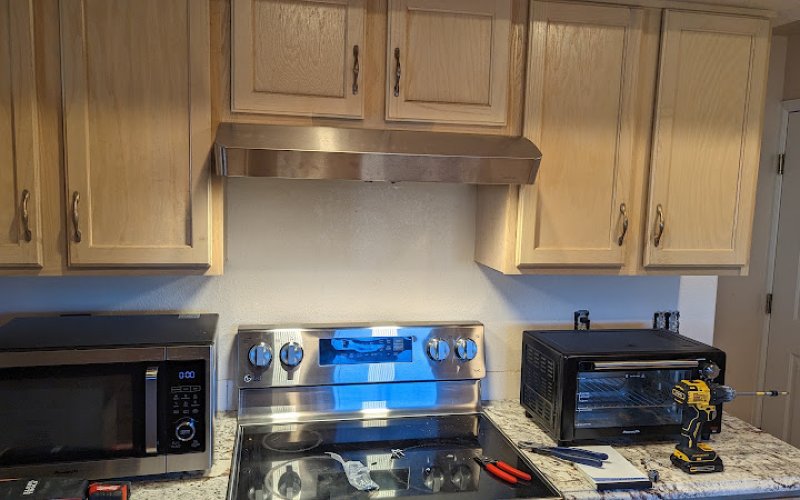
Signature Electric of Colorado LLC
Electrician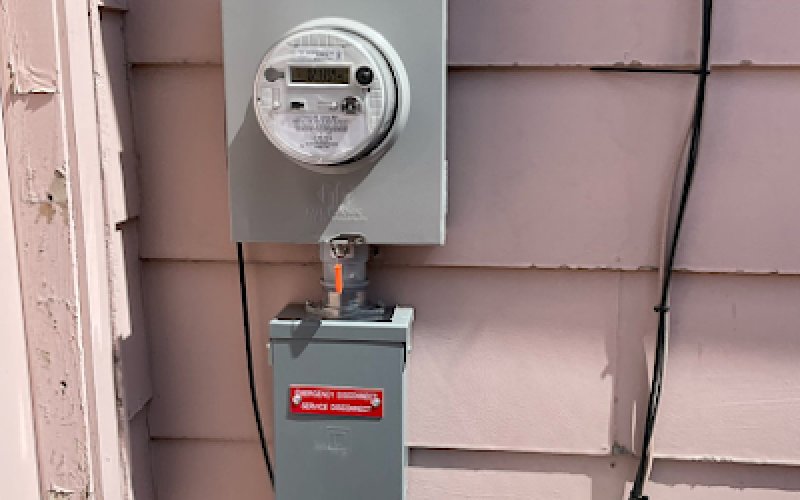
Mister Sparky of Pueblo
Electrician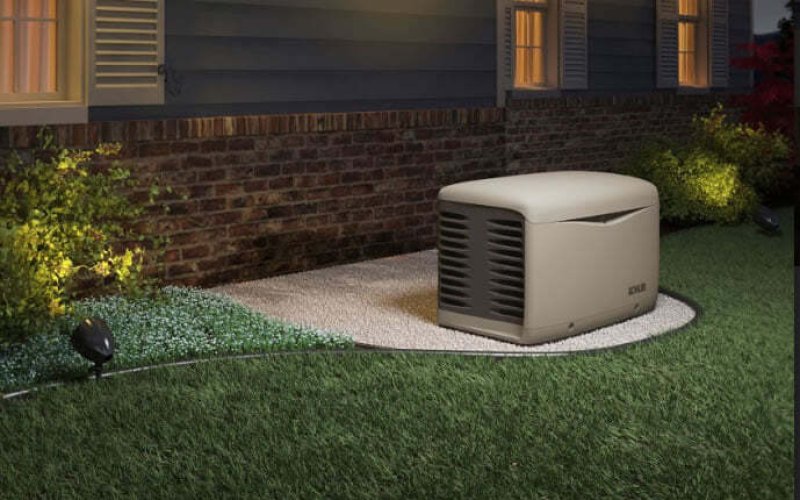
Pueblo Electrician pros
Electrician
Adams Electric Inc
Electrician
L.J.I Electric
Electrician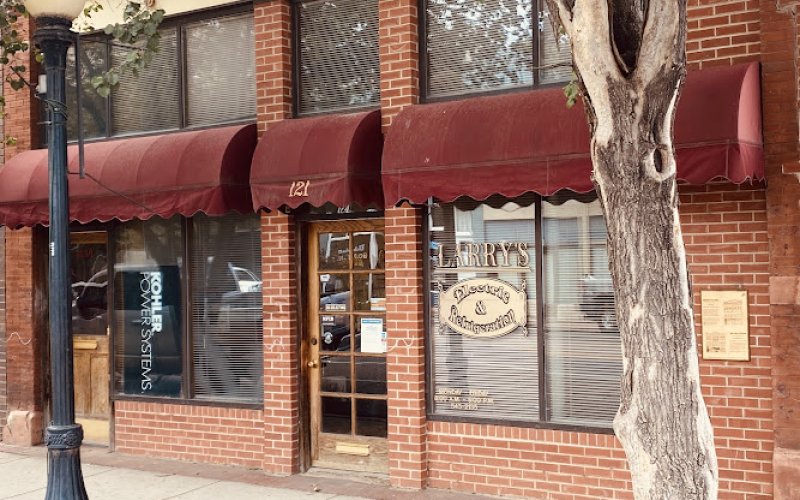
Larry's Electric and Refrigeration
Air conditioning contractor
Gonzales Electric
Electrician
Morton Electric, Inc.
Electrician
Royal Electrical Services Inc.
Electrician
T & T Electric Co Inc
Electrician
Pueblo Electrics Inc.
Electrician
About electrician in Pueblo
Pueblo sits on high, dry plains where summer thunderstorms throw serious lightning and the air is so arid that static, dust and sun do more damage to outdoor electrical gear than moisture ever does. That shapes the work.
The directory currently lists 15 Electricians in Pueblo, and the mix is what you would expect from a mid-sized Colorado city: a lot of independent shops and small crews doing residential service calls, a handful of larger outfits that take on commercial buildouts and industrial work, and some contractors who split their time between both. Smaller crews tend to be easier to reach for a quick troubleshooting visit. Larger ones are better suited to multi-day jobs like a commercial tenant finish.
The housing stock leans older. Large parts of the city were built from the early 1900s through the 1950s, which means you will run into original 60 or 100 amp services, ungrounded two-prong outlets, and in the oldest homes some knob-and-tube wiring (common before about 1950). Homes from the 1960s and 70s bring their own question marks: aluminum branch wiring (roughly 1965-1973) and panels from brands with known problems, such as Federal Pacific and Zinsco.
Newer subdivisions on the north and west sides generally have 200 amp services and modern AFCI and GFCI protection.
Climate adds its own demands. Pueblo gets hot summers with heavy air conditioning load, cold winters that stress exposed equipment, strong spring winds, and summer thunderstorms with lightning and the occasional hail. Flash runoff along the Arkansas River corridor and the creeks that feed it can also threaten low-lying properties and basement panels.
People call for a fairly predictable set of reasons: a breaker that keeps tripping in a house with a 1950s panel, a service upgrade before adding central air, an EV charger circuit in the garage, a generator hookup, or storm damage to the mast and meter base. Property managers and small business owners call for lighting, tenant improvements and code corrections after inspections.
Historic Downtown and the Union Avenue District
- Where and what it is: The historic core along the Arkansas River, centered on Union Avenue and the Historic Arkansas Riverwalk, with older brick commercial buildings, restaurants, offices and apartments above storefronts.
- Housing and age: Mostly early 1900s masonry buildings, many converted over the decades from one use to another.
- Electrical needs: Aging service equipment, overloaded subpanels added during past remodels, and tenant buildouts that need new 20 amp circuits and updated lighting. Running new conduit through masonry is slow work, and some buildings still carry mixed old and new wiring in the same walls.
- Good to know: Commercial work generally needs a permit and inspection, and landlords often want a load calculation before a new tenant adds equipment. Ask whether the electrician has done tenant finishes in older brick buildings, since surface-mounted conduit is often the practical answer.
Historic Northside
- Where and what it is: One of Pueblo's oldest residential areas north of downtown, with tree-lined streets and a mix of modest and larger early homes.
- Housing and age: Mostly early-to-mid 1900s bungalows, foursquares and cottages, many remodeled in pieces over the years.
- Electrical needs: Knob-and-tube wiring hiding in attics and walls, original 60 amp services, two-prong outlets with no equipment ground, and kitchens or baths added later on circuits that were never sized for them. Many homes have had partial rewires, so old and new wiring sit side by side.
- Good to know: Insulation contractors and insurers often balk at active knob-and-tube. Ask for a written scope that says exactly which circuits get replaced and whether the walls will be opened or fished.
Bessemer
- Where and what it is: A historic neighborhood on the south side near the old steelworks, built to house mill workers and still working-class in character.
- Housing and age: Mostly small frame and brick homes, roughly 1900s-1940s, on compact lots.
- Electrical needs: Undersized services, ungrounded outlets, and detached garages or workshops fed by long, thin-gauge runs. Window AC units and space heaters on old circuits cause a lot of nuisance tripping.
- Good to know: If you add a garage subpanel or a 240 V circuit for a welder or compressor, the feeder size and grounding need to be done to current code, and that normally triggers a permit. Ask how they plan to bring ground to the outbuilding.
Blende and the Eastside
- Where and what it is: Residential areas east of downtown and toward the fairgrounds side of town, a mix of established blocks and rural-edge lots.
- Housing and age: Mostly post-war ranch homes and 1950s-70s houses, some on larger lots with outbuildings and wells.
- Electrical needs: 100 amp panels that have run out of room, aluminum branch wiring in some late-1960s homes, and original panels past their 25-40 year service life. Outdoor outlets, pump circuits and barn or shop feeds are common jobs.
- Good to know: Aluminum branch wiring should be handled with approved connectors or pigtailing methods, not just swapped to new devices. Ask the electrician which fix they use.
Electrical quotes swing widely for reasons that have little to do with the electrician's rate. What you are really paying for is access, materials and risk.
💰 What Drives the Price
- Scope: Replacing one outlet is a different animal from adding a circuit, and a new circuit differs from rewiring a room. A written scope should say how many circuits, devices and fixtures are included.
- Permits and inspections: Service, panel and new-circuit work normally needs a permit and an inspection, and that time and fee are part of the job.
- Panel and service size: Going from 100 to 200 amp can mean a new meter base, mast, grounding electrode system and utility coordination, not just a new box.
- Wiring age and access: Finished plaster walls, tight attics and shallow crawl spaces take more labor than open framing, and old cloth-insulated or knob-and-tube wiring often has to be traced circuit by circuit.
- Equipment tier: Budget, mid-range and premium panels, breakers, surge protectors and fixtures differ in features and warranty, and AFCI or dual-function breakers cost more than standard ones.
- Urgency and after-hours: Emergency calls, nights and weekends usually carry a premium compared with scheduled daytime work.
🔧 Common Jobs and What Changes the Cost
- Panel replacement or 100 to 200 amp upgrade: Meter base condition, mast height, utility disconnect scheduling and whether the grounding system needs rework all move the price.
- EV charger circuit (240 V, 40-50 amp): Distance from the panel to the garage, spare panel capacity and whether a load calculation forces a service upgrade are the big variables.
- Whole-home generator hookup or interlock: A manual interlock on an existing panel is simpler than a transfer switch with a dedicated gas or propane generator installation.
- Whole-home surge protection: Cost depends on panel type and the protection rating, and on whether you add point-of-use protection for electronics.
- Replacing ungrounded two-prong outlets: Running a true ground wire is more involved than installing GFCI protection on an ungrounded circuit, which is a code-permitted option in many cases.
- Ceiling fans and recessed lighting: A fan needs a fan-rated box and support, and recessed lights in an insulated ceiling mean more cutting, patching and sometimes IC-rated fixtures.
🧾 How Electricians Usually Charge
- Flat price per job: Best for a defined scope. Watch for exclusions like drywall repair, permit fees or concealed conditions.
- Hourly plus materials: Common for troubleshooting and open-ended repairs. Ask for an estimated hour range and how materials are marked up.
- Service-call or diagnostic fee: Covers the trip and the first stretch of troubleshooting. Ask if it is credited toward the repair.
- Permit fees passed through: Usually billed at cost, so look for them as a separate line on the quote.
📈 Local Demand Patterns
- Hot summer afternoons push air conditioning demand, and service upgrades and tripping-breaker calls tend to bunch up when the first heat wave hits.
- Thunderstorm and wind season brings surge damage, burned-out outlets and damaged service masts, and storm repairs jump the line for many shops.
- The holiday stretch brings requests for outdoor lighting circuits and overloaded-extension-cord fixes, and schedules thin out around major holidays.
How to Get an Accurate Price
- Get at least two written, itemized quotes for the same scope, with the same number of circuits, devices and fixtures listed.
- Ask what is included: drywall patching, permit, inspection, disposal of old equipment and cleanup.
- Confirm who pulls the permit. It should be the licensed contractor, not you.
- Pin down material allowances, since a vague "fixtures not included" can turn a low quote into a high bill.
Why Local Electricians Have an Edge
- Permit and inspection know-how: A Pueblo-based contractor already knows how the city or county building department handles permits, what inspectors look for, and how long scheduling usually takes.
- Built for the climate: Strong sun, wind, hail and temperature swings argue for weather-rated enclosures, UV-resistant conduit and well-supported service masts on exposed lots.
- Utility coordination: Service upgrades and storm repairs require the electrician and the power provider to line up disconnects and reconnects, and a local shop has done that dance before.
- Response and callbacks: After a thunderstorm, a nearby contractor can reach you faster, and if a breaker still trips next week, a callback is a short drive instead of a negotiation.
What This Means for You
Say you own a 1950s house near Bessemer and want central air. A local electrician will check the 100 amp service, tell you whether the panel has room, and know whether the job needs a load calculation before the city inspector signs off.
A contractor from out of town may quote the circuit and miss the service limit entirely. That is the kind of gap that turns a simple install into a failed inspection.
Seasonal Patterns in Pueblo
- ☀️ Spring and summer: Air conditioning installs, service upgrades, outdoor lighting, EV chargers and shop circuits. Schedules fill during the first real heat, and lead times lengthen.
- 🍂 Fall: A good window for panel replacements, rewiring and remodel electrical before heating season. Availability tends to be better than in midsummer.
- ❄️ Winter: Heating-related tripping, space heater overloads, heat tape circuits and indoor remodels. Cold slows outdoor service work and inspections can shift around weather.
- 🌀 Storm season: Summer thunderstorms, hail and spring wind bring surge damage and torn-off masts. Emergency repairs take priority, so scheduled jobs can slip.
Smart Timing Tips
- ✓ Book generator hookups and whole-home surge protection before thunderstorm season starts, not after the first damaging strike.
- ✓ Schedule panel and service work outside the peak air conditioning stretch, when shops are less buried.
- ✓ Expect inspection delays after major storms, when the building department gets a surge of repair permits.
- ✓ Bundle several small jobs, such as outlets, a ceiling fan and an exterior light, into one visit to save on repeated trip charges.
If a storm damages your service mast, meter base or weatherhead, the power provider usually will not reconnect until the repair has passed inspection. So the sequence is repair, inspection, then reconnect, and getting a licensed electrician on it early shortens the time you are without power.
Credentials to Verify
- Licensing: Colorado licenses electricians at the state level, with tiers such as master electrician, journeyman and residential wireman, and electrical contractors also need to be properly registered. Ask which license the person doing the work holds.
- Insurance: Ask for a certificate of insurance showing general liability and workers' compensation, and have it sent directly from the insurer.
- Permits: A legitimate contractor pulls permits for service, panel and new-circuit work and schedules the inspection.
Questions to Ask
- What license do you hold, and can I verify it through Colorado's contractor licensing board?
- Will you pull the permit, and who meets the inspector?
- Have you worked on homes of this age and type?
- What is the warranty on labor and materials?
⚠️ Red Flags
- No license number or proof of insurance when you ask.
- A request for full payment upfront before any work or materials.
- Skipping the permit on service, panel or new-circuit work.
- Pressure to decide on the spot or a "today only" price.
- A quote far below the others with no written scope.
Where to Check Complaints
- State license lookup: Confirm the license is active and check for disciplinary history through Colorado's contractor licensing board.
- BBB: Look at unresolved complaints and how the company responded.
- Google and Yelp reviews: Ignore the single angry outlier and look for repeating patterns, such as no-shows, unfinished work or surprise charges after the quote.
Panel and service work: Look for a master electrician with frequent service upgrade experience and a comfortable working relationship with the local utility and inspectors.
Older-home rewiring: Choose someone who has opened plaster walls and dealt with knob-and-tube and cloth-insulated wiring, and who can explain how they minimize wall damage.
EV chargers and generators: Look for load calculation skills, familiarity with 240 V, 40-50 amp circuits, transfer switches and interlock kits.
Commercial or storm-damage work: Pick a shop with commercial permitting experience, three-phase familiarity where needed, and the ability to coordinate with insurers.
→ Are you licensed in Colorado, and can you show me current proof of license and insurance?
→ Have you worked on homes like mine in Pueblo, and what issues do you expect to find?
→ Can you give me a written, itemized quote that lists exactly what is included?
→ Will you pull the permit and schedule the inspection yourself?
→ What warranty do you provide on your labor and the materials?
→ Given the age of my wiring and Pueblo's thunderstorms, do you recommend surge protection or a panel upgrade at the same time?
✓ A clear license number and certificate of insurance provided without hesitation.
✓ A written quote that names circuits, devices, equipment brands and what is excluded.
✓ Willingness to explain the problem and the options in plain language.
✓ A neat panel: labeled breakers, tidy conductors and proper grounding in their past work.
✓ Prompt communication and a reasonable plan for scheduling inspection.
No license or refusal to show proof of insurance.
Insistence on skipping permits for panel, service or new-circuit work.
Offering to leave a Federal Pacific or Zinsco panel in place while calling it fine without any evaluation.
Covering up wiring or closing walls before the required inspection.
Check Reviews & Ratings
We recommend verifying businesses through trusted review platforms before making a decision.
Frequently Asked Questions
Popular Categories in Pueblo
Explore Other Cities
⚡ Electricians near Pueblo
Professional Categories in Pueblo, CO
Related Services from Similar Professionals