Top Electricians Serving Mobile, AL and Nearby Areas
Welcome to the Mobile, AL Electricians directory! Whether you've got a flickering light, a dead outlet, or a bigger project on the way, you're in the right spot to find a local pro who can help get it sorted.
Map of Businesses in Mobile
All Listings in Mobile
8 businesses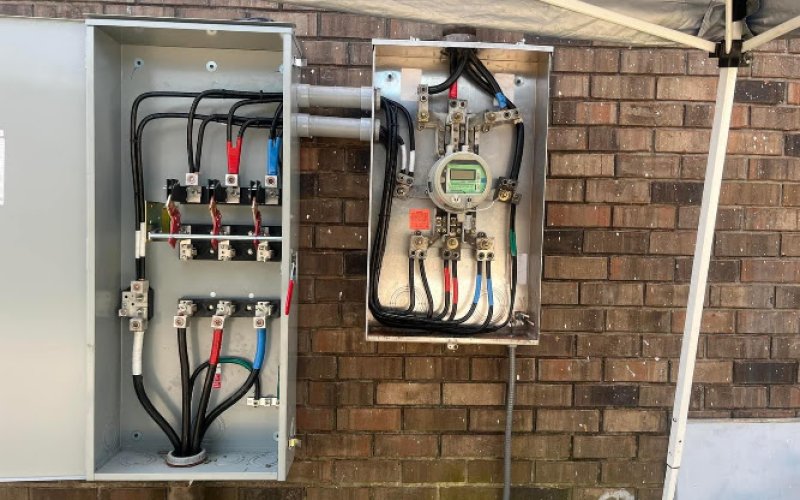
Southeastern Electrical Contractor LLC
Electrician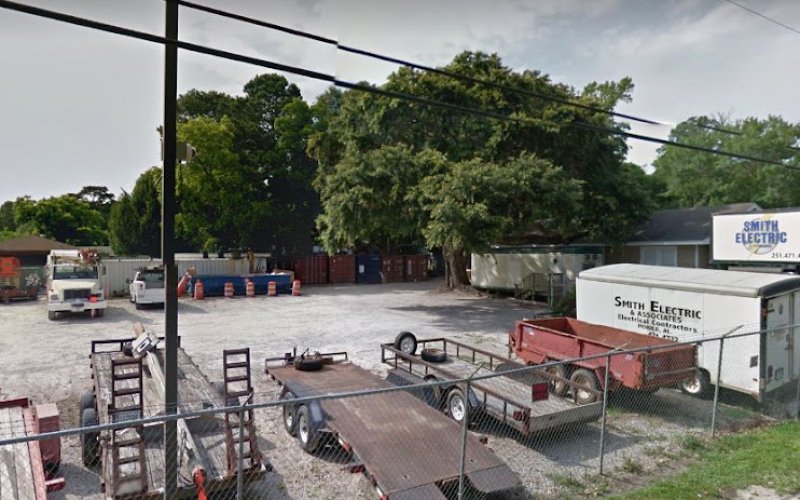
Smith Electric & Assoc
Electrician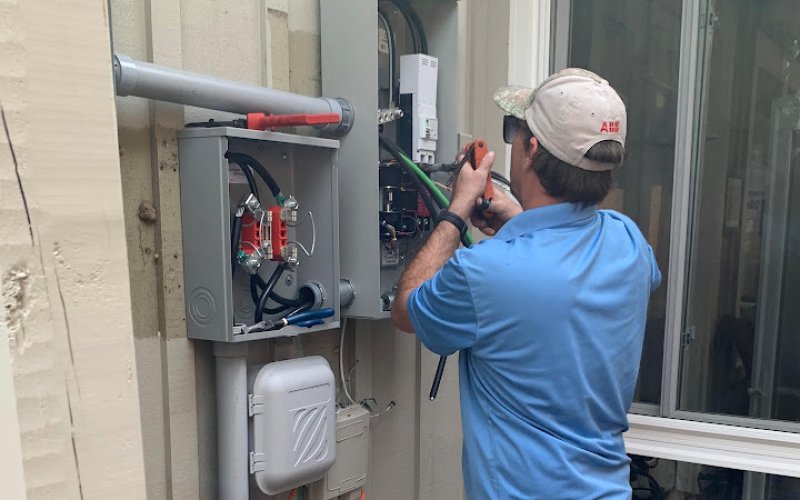
Hansen Electric
Electrician
Professional Electric
Electrician
McCollum Electrical Services
Electrician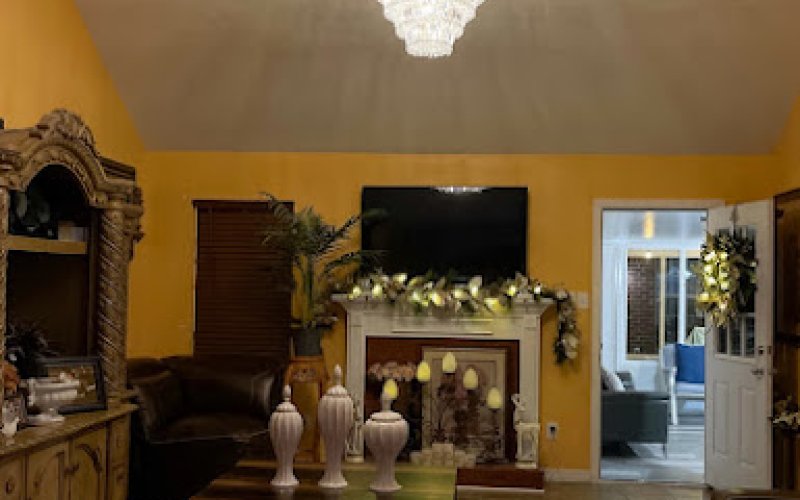
South Alabama Electic
Electrician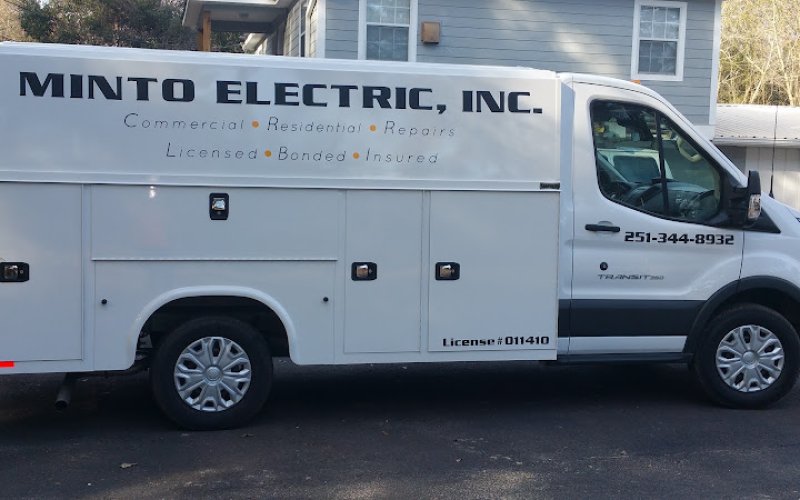
Minto Electric Inc
Electrician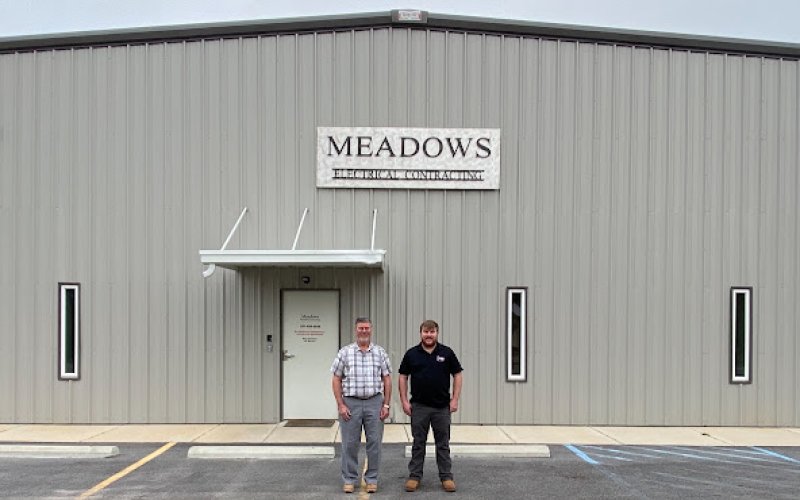
Meadows Electrical Contracting
ContractorAbout electrician in Mobile
Mobile sits at the top of a bay on the Gulf, which means electrical gear here fights salt, constant humidity and tropical storms all at once. A panel that would last decades in a dry inland town ages faster in a Mobile garage or exterior closet.
The local market is mostly independent shops and small crews, with a handful of larger outfits that take on commercial buildouts and industrial work tied to the port and waterfront. This directory currently lists 8 Electricians in Mobile, and most residential calls go to the smaller operators. Many of them are one-truck businesses that know the older neighborhoods well.
The housing stock runs wide. Downtown and the historic districts hold homes from the late 1800s through the 1930s, where you may find knob-and-tube wiring (pre-1950), cloth-insulated cable and two-prong ungrounded outlets. Midcentury ranches and brick homes from the 1950s-1970s often have 60 or 100 amp service, and some carry Federal Pacific or Zinsco panels, both known problem brands. Newer subdivisions on the western side of town usually have 200 amp service and modern AFCI and GFCI protection.
Climate shapes the work. Long, hot summers push AC systems hard, so overloaded circuits and failing breakers show up in July and August. Salt air corrodes meter bases, panel covers and outdoor disconnects. Lightning is frequent, flooding reaches low-lying areas near the bay and Mobile River, and hurricane wind tears at service masts and weatherheads.
Who calls? Owners of older homes who want to know if the wiring is safe, buyers who just got an inspection report with electrical flags, and people with storm damage or a dead outlet circuit. Landlords and small business owners call for upgrades and code corrections, and more homeowners now ask about EV chargers and standby generators.
Oakleigh Garden District
- Where and what it is: A historic residential district just west of downtown, known for its oaks, porches and preserved period architecture.
- Housing and age: Mostly late 1800s through early 1900s Victorian, Queen Anne and bungalow homes, many renovated in stages over the decades.
- Electrical needs: Remnant knob-and-tube wiring, cloth-insulated cable, ungrounded two-prong outlets and undersized 60 or 100 amp service are common. Rewiring through plaster walls and tight attics takes planning, and bathrooms and kitchens usually need GFCI protection added.
- Good to know: Exterior changes, including new service masts or visible conduit, may need historic-district review before work starts. Ask the electrician to explain how they will route new cable without damaging original plaster and trim.
Midtown
- Where and what it is: A central residential area near Spring Hill Avenue and Springhill's older streets, close to hospitals, schools and downtown.
- Housing and age: A mix of 1920s-1950s bungalows, cottages and brick homes, plus some small apartment buildings and duplexes.
- Electrical needs: Panels are often original or partially updated, with fuse boxes still turning up in unrenovated homes. Many houses need a 100 to 200 amp service upgrade once central AC, an electric range or a dryer is added. Ungrounded outlets and overloaded kitchen circuits are routine fixes.
- Good to know: If a house changed hands recently, ask for the inspection report and hand it to the electrician. A panel swap should include a permit and a final inspection, not just a handshake.
Spring Hill
- Where and what it is: A hilly, tree-covered area on the west side, home to a college campus, wooded lots and quiet residential streets.
- Housing and age: Largely 1950s-1980s brick ranches and split-levels, along with some larger homes on bigger lots.
- Electrical needs: Homes from the mid-1960s to early 1970s may have aluminum branch wiring, which needs special connectors or pigtailing at outlets and switches. Panels from this era may be Federal Pacific or Zinsco. Tall trees mean surge damage, service drop issues and generator hookups after storms.
- Good to know: A generator interlock or transfer switch must be installed to code, never improvised with a male-to-male cord. Ask whether the work will be inspected.
Midtown-adjacent Toulminville
- Where and what it is: An older neighborhood north of downtown with a long residential history and a mix of owner-occupied and rental homes.
- Housing and age: Mostly 1920s-1950s frame houses and small cottages, some with additions built over the years.
- Electrical needs: Landlords and owners often deal with aging 60 amp service, patched-together additions, missing GFCI outlets near sinks and extension-cord overload. Older panels with no room for new breakers lead to unsafe doubling-up.
- Good to know: For rental properties, ask for a written scope that lists every outlet, circuit and breaker touched, so you have a record for insurance and future inspections.
Electrical pricing swings widely because no two jobs have the same access, age or code requirements. Knowing what moves the price helps you compare quotes fairly.
💰 What Drives the Price
- Scope of work: Adding one outlet is a different job from rewiring a bedroom wing, and a vague scope makes quotes impossible to compare.
- Permits and inspections: Service, panel and new-circuit work normally needs a permit and an inspection, which adds fees and scheduling time.
- Panel and service size: Going from 100 to 200 amp can mean a new meter base, mast, conductors and a larger panel, not just a box swap.
- Wiring age and access: Finished plaster walls, blown-in attic insulation and low crawl spaces slow every run of cable.
- Equipment tier: Basic breakers differ from AFCI/GFCI breakers, and standard surge protectors differ from whole-home units.
- Urgency or after-hours: Emergency calls, nights and weekends usually cost more than scheduled daytime work.
🔧 Common Jobs and What Changes the Cost
- Panel replacement or 100 to 200 amp service upgrade: Cost shifts with whether the meter base, mast and grounding also need replacing, and with utility coordination.
- EV charger circuit (240 V, 40-50 amp): Distance from the panel to the garage and available panel capacity matter most.
- Whole-home generator hookup or interlock: A simple interlock is far less work than a permanent standby unit with an automatic transfer switch and gas line.
- Whole-home surge protection: Installed at the panel, it depends on panel type and available breaker space.
- Replacing ungrounded two-prong outlets: Running a true ground wire costs more than installing GFCI protection as a code-accepted alternative where a ground is not practical.
- Storm-damage repair of the service mast and meter base: Bent masts, torn weatherheads and corroded meter bases need inspection before the utility reconnects, and extent of damage drives the work.
🧾 How Electricians Usually Charge
- Flat price per job: Good for defined work like a new circuit. Make sure the quote lists what is included.
- Hourly plus materials: Common for troubleshooting or open-ended repairs. Ask for an estimated number of hours and a markup policy on materials.
- Service-call or diagnostic fee: Covers the trip and initial troubleshooting. Ask whether it is credited toward the repair if you approve the work.
- Permit fees passed through: Should appear as a separate line item, not buried in the total.
📈 Local Demand Patterns
- AC season: Late spring through summer brings failed breakers, tripped circuits and overloaded outlets, and schedules fill.
- Storm season: After hurricanes or severe thunderstorms, emergency repairs crowd out routine jobs and wait times stretch.
- Holidays: Decorative lighting, added kitchen loads and guests can expose weak circuits in older homes.
How to Get an Accurate Price
- Get written, itemized quotes for the identical scope from at least two or three electricians.
- Ask what is included: breaker brands, labeling, patching of drywall, cleanup and haul-away of old equipment.
- Confirm who pulls the permit and who schedules the inspection.
- Ask for a material allowance in writing so fixture or equipment upgrades do not surprise you later.
Why Local Electricians Have an Edge
- Permit and inspection familiarity: A local electrician knows how permits and inspections work with the city or county building department, which keeps panel and service jobs from stalling.
- Built for the Gulf climate: They know to use weather-rated enclosures, corrosion-resistant fittings and sealed connections outdoors, where salt air and humidity eat standard hardware.
- Flood and wind awareness: In low-lying areas, they will think about raising equipment and protecting meter bases, and they know how wind loads stress service masts.
- Storm response and callbacks: After a storm, a nearby crew can reach you sooner, and a problem six months later is a short drive, not a long wait.
What This Means for You
Say a tree limb pulls your service mast loose during a summer thunderstorm. A local electrician can repair the mast, replace the weatherhead and request an inspection quickly, so the power company can reconnect.
Or you are buying a 1940s house near Midtown. A local electrician who has opened those walls before can tell you whether the wiring is cloth-insulated, whether the panel is undersized and what a safe upgrade looks like.
Seasonal Patterns in Mobile
- ☀️ Spring and summer: AC loads climb, so expect breaker trips, burnt outlets and panel upgrades for added units. Schedules tighten as heat arrives.
- 🍂 Fall: Cooler weather eases AC strain, and it is a good window for planned panel, rewiring and EV charger work before the holidays.
- ❄️ Winter: Mobile has mild winters but occasional freezes, so space heaters overload older circuits. Availability is generally better for scheduled projects.
- 🌀 Storm season: Hurricane season runs June 1 to November 30, peaking mid-August to October. Demand shifts to emergency repairs, generator work and surge protection, and routine jobs get pushed back.
Smart Timing Tips
- ✓ Book generator hookups and whole-home surge protection before storm season starts, not after a storm is in the forecast.
- ✓ Schedule panel and service work outside peak AC months, when the house is easier to shut down for a day.
- ✓ Expect inspection delays after major storms, when permits and reconnections pile up.
- ✓ Bundle several small jobs, like outlets, fans and a new circuit, into one visit to save on service calls.
If a storm damages your service mast, meter base or weatherhead, the power company usually will not reconnect until the repair passes inspection. That makes a licensed electrician and a quick permit essential, and it is why you should call early rather than waiting for the lines to be cleared.
Credentials to Verify
- Licensing: In Alabama, electrical contractors are licensed at the state level, with journeyman and master electrician classifications. Ask for the license number and confirm it with Alabama's contractor licensing board.
- Insurance: Request a certificate of insurance showing general liability and workers' compensation, and make sure it is current.
- Permits: Ask whether they pull permits for service, panel and new-circuit work, and who handles the inspection.
Questions to Ask
- Can you show me your Alabama license and a current certificate of insurance?
- Have you worked on homes of this age and type in Mobile?
- Who pulls the permit, and will the work be inspected before you finish?
- What happens if a problem shows up after the job is done?
⚠️ Red Flags
- No license number or proof of insurance when you ask for it.
- A demand for full payment upfront, before any work or materials.
- Skipping permits on service, panel or new-circuit work.
- Pressure to decide immediately or "today only" pricing.
- A quote far below the others with no written scope of work.
Where to Check Complaints
- State licensing board lookup: Confirm the license is active and look for disciplinary history.
- BBB: Check complaint patterns and how the business responded.
- Google and Yelp reviews: Look for repeated themes, such as missed appointments, unfinished work, surprise charges or unresolved callbacks, rather than a single bad review.
Panel and service work: Look for experience with meter bases, masts, grounding and utility coordination on 100 to 200 amp upgrades.
Older-home rewiring: Choose someone who has worked in plaster-wall homes and can handle knob-and-tube or aluminum branch wiring.
EV chargers and generators: Ask about load calculations, 240 V circuits at 40-50 amp, and proper interlocks or transfer switches.
Commercial or storm-damage work: Look for crews comfortable with inspections, insurance documentation and urgent repairs.
→ Are you licensed in Alabama, and can you show me your license number and proof of insurance?
→ Have you worked on homes like mine in Mobile, such as pre-1950 houses or 1960s-70s ranches?
→ Will you give me a written, itemized quote that lists materials and labor?
→ Who will pull the permit, and will the work be inspected?
→ What warranty do you offer on the work, and what does it cover?
→ How will you protect outdoor equipment from Mobile's salt air, humidity and storm exposure?
✓ A clear, written scope that names the circuits, breakers and equipment involved.
✓ Willingness to pull permits and schedule inspections without being asked twice.
✓ Weather-rated and corrosion-resistant materials for any outdoor installation.
✓ Clean, labeled panels and tidy wiring, which signal careful work.
✓ Prompt communication and a track record of showing up when scheduled.
No Alabama license or refusal to show proof of insurance.
Suggesting a generator be connected with a homemade cord or backfeed.
Unwillingness to pull a permit for panel, service or new-circuit work.
Covering up old problems, such as aluminum wiring or a failing panel brand, without telling you.
Check Reviews & Ratings
We recommend verifying businesses through trusted review platforms before making a decision.
Frequently Asked Questions
Popular Categories in Mobile
Explore Other Cities
⚡ Electricians near Mobile
Professional Categories in Mobile, AL
Related Services from Similar Professionals